How Long Does It Take Wet Drywall, Insulation, Hardwood, and Carpet to Dry?

When water damage happens, most homeowners ask the same question almost immediately: How long will this take to dry? It is a fair question, but the answer is more complicated than many people expect. Drying time depends on what got wet, how much water was involved, how long the moisture sat before cleanup began, what the temperature and humidity are indoors, and whether water has moved into hidden cavities or dense materials.

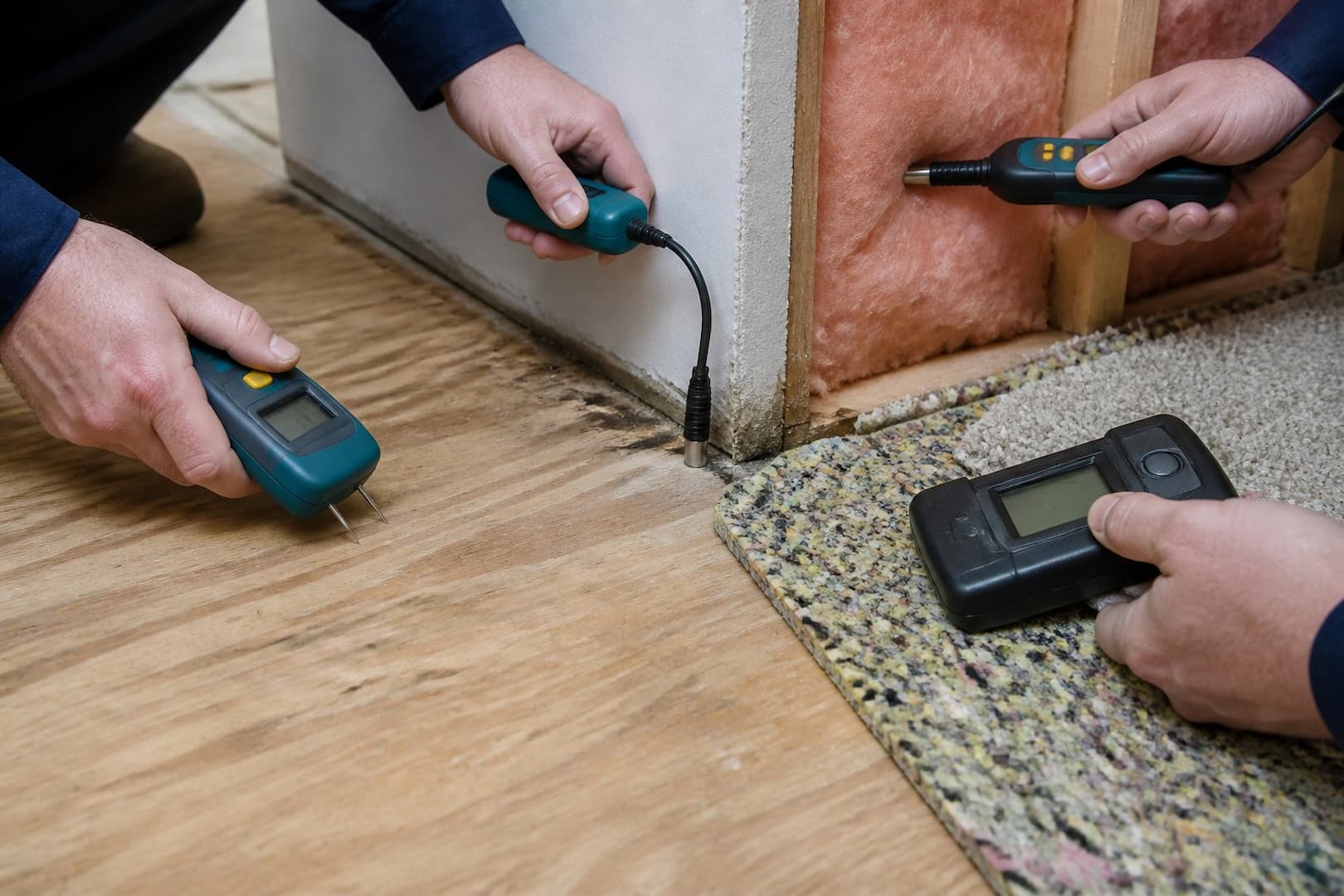
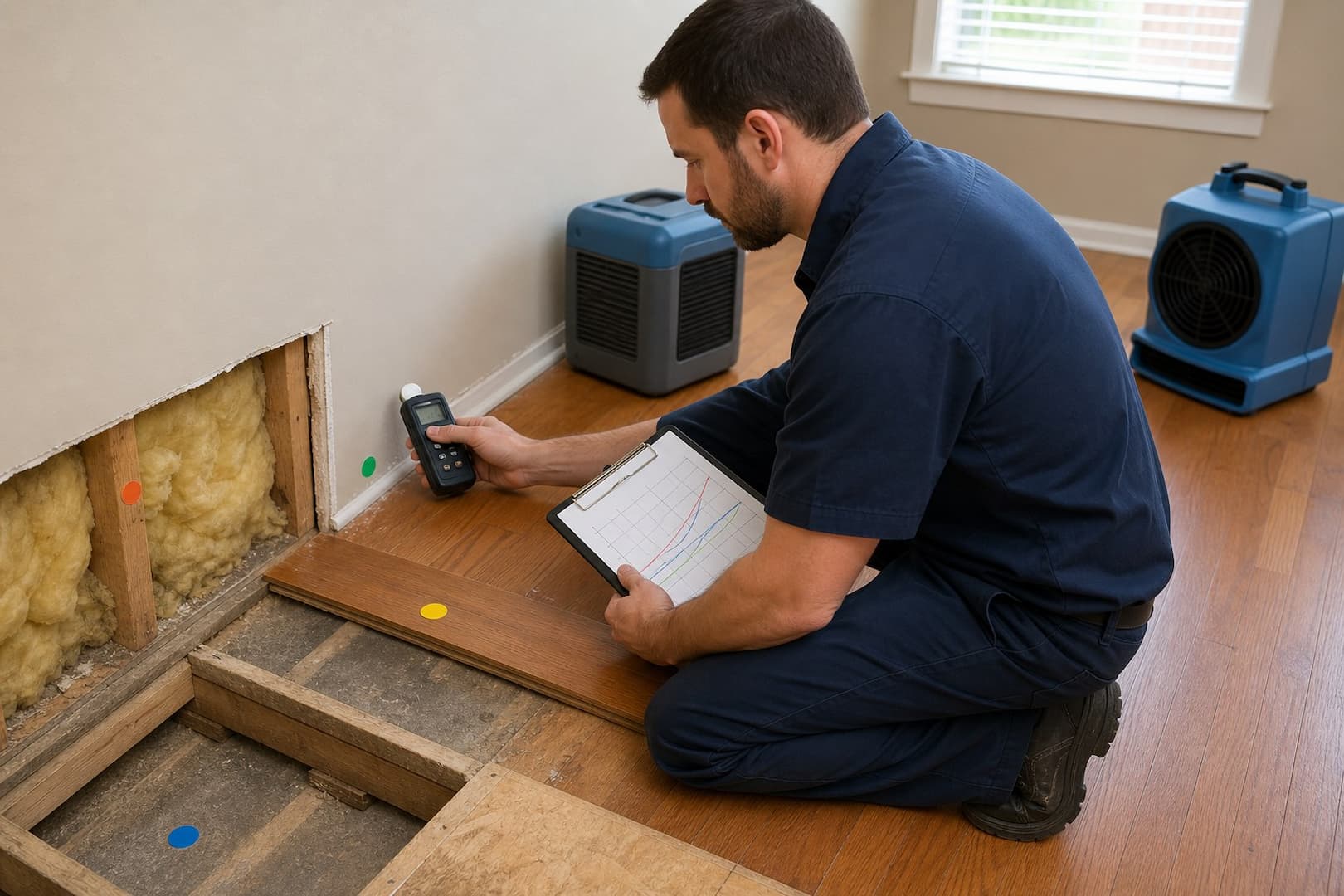
That last point matters most. A room can look much better after the visible water is removed, but the structure may still be holding significant moisture in drywall, insulation, wood flooring, trim, subfloor materials, and carpet pad. This is why people are often surprised when a space that seemed “pretty much dry” develops swelling, odor, staining, or hidden damage later. Surface dryness is not the same thing as complete drying.

In Boston homes, this issue is even more important because the housing stock often includes older plaster and drywall assemblies, hardwood floors, layered repairs, finished basements, exterior-wall insulation, and colder lower-level spaces that naturally dry more slowly. The source of water matters too. Drying after a clean appliance overflow is different from drying after a burst pipe, basement flood, roof leak, or contamination event.

If the moisture came from a broader leak or active water event, residential water damage restoration is often the service homeowners end up needing most—not just because water has to be removed, but because different materials need to be dried or removed in different ways.

This guide explains how long wet drywall, insulation, hardwood, and carpet usually take to dry, what speeds that process up or slows it down, when materials can be saved, and when drying has gone from a simple waiting game to a real restoration issue.

The Short Answer: Drying Usually Takes Longer Than People Think

In a minor, clean-water situation with fast response and strong airflow, some materials may dry substantially within a few days. In a more typical residential water damage event, full drying often takes several days to over a week. Dense materials, concealed cavities, insulation, hardwood flooring systems, and carpet padding may take longer—especially when moisture is trapped or the source was not discovered right away.

As a rough starting point:

  • drywall may begin drying within a few days, but hidden wall moisture can last longer
  • insulation often dries poorly once saturated and may need removal
  • hardwood may take many days or much longer depending on water depth and how long it sat
  • carpet can dry relatively quickly in ideal conditions, but carpet pad and subfloor are the bigger issue

These are general tendencies, not guarantees. The real question is not just “How many days?” but also “Is the moisture only on the surface, or did it get into the assembly?”

That distinction is what separates a quick inconvenience from a more involved drying project.

Why Different Materials Dry at Different Speeds

Not all building materials interact with water the same way.

Some absorb water quickly and release it slowly. Some hold water in internal pockets. Some wick moisture upward even when the water depth on the floor seems minor. Some trap moisture behind finishes where homeowners cannot see it. Others may look almost normal from the outside while the material underneath is still saturated.

Here is the simplest way to think about it:

  • Drywall absorbs moisture and often wicks it upward from the bottom edge.
  • Insulation can trap water inside wall and ceiling cavities, making visible surfaces look drier than the assembly really is.
  • Hardwood expands, swells, cups, and stores moisture deeply, especially when water reaches the subfloor.
  • Carpet may dry faster on the surface than the pad and subfloor underneath.

This is why “just running a fan” can be misleading. Fans may help dry the outer layer of a material while leaving moisture below the surface or inside a cavity. That is better than nothing—but it is not always enough to prevent secondary issues.

If visible water is still present on floors, getting that water out first is critical before meaningful drying can even begin. In more active cases, emergency standing water removal in Boston may be more urgent than trying to estimate drying timelines before extraction is complete.

What Affects Drying Time Most?

Before looking at each material, it helps to understand the factors that most strongly change drying time.

How much water was involved

A small clean leak contained to one wall base behaves very differently from a flooded room, soaked basement, or burst supply line under pressure. The more water a material takes on, the longer drying will take.

How long the water sat

Water that is removed quickly is much easier to manage than water that sat for hours or days. Time lets moisture penetrate deeper into assemblies and surrounding materials.

The source of the water

Clean water from a supply line leak is different from gray or black water contamination. Even if a material could technically dry, contamination may still make removal the safer choice.

Temperature and humidity

Warm, dry air supports drying. Cool, humid environments slow it down. Basements, enclosed rooms, winter conditions, and poor ventilation all make drying harder.

Airflow

Moving air across wet surfaces helps, but airflow alone does not guarantee hidden cavities or dense materials are actually drying.

Material layering

A hardwood floor over subfloor, carpet over pad, drywall over insulated framing, or ceiling below a wet attic all dry more slowly than a single exposed surface.

How quickly professional drying began

Early extraction and controlled drying can shorten the overall timeline significantly. Delayed response often adds days or much longer to the process.

How Long Does Wet Drywall Take to Dry?

Drywall is one of the most common materials affected by water damage because it is used throughout modern homes and reacts quickly when water reaches it. It does not need deep flooding to become a problem. Even a small amount of water at the floor line can wick upward into drywall, soften the paper facing, affect paint, and transfer moisture into the wall cavity.

In ideal conditions—minor exposure, clean water, quick response, good airflow, controlled humidity—wet drywall may begin drying substantially within three to five days. But that estimate can be misleading if the visible drywall is only one part of the issue.

Drywall often takes longer when:

  • water entered from behind the wall
  • insulation inside the cavity is wet
  • the drywall wicked moisture from the floor for many hours
  • the room is cool or humid
  • multiple wall layers or older repairs are present
  • trim and baseboards are trapping moisture near the bottom edge
  • the leak source was hidden and discovered late

The most common mistake homeowners make is judging drywall dryness by touch or color alone. A wall can feel dry on the painted surface while the lower cavity is still wet. Likewise, a stain that looks old may still hide dampness behind the finish.

Another major issue is that not all drywall should simply be dried in place. Sometimes the question is not “How long until it dries?” but “Should this section be opened or removed so the assembly can actually dry?” If the drywall is swollen, soft, crumbling, contaminated, or trapping moisture behind it, drying in place may not be the right strategy.

In rooms where the bottom of the wall took on water, selective removal and drying may be more realistic than waiting for the entire wall to recover on its own.

When Drywall Can Usually Be Saved

Drywall is more likely to be salvageable when:

  • the water source was clean
  • the wetting was brief
  • the affected area is limited
  • the material is still structurally sound
  • no contamination is involved
  • the wall cavity behind it stayed relatively dry
  • drying started quickly

If only a small section of drywall was lightly wetted and the cavity behind it is dry, the wall may dry successfully with the right conditions. That is especially true if the moisture exposure was minor and short-lived.

When Drywall Often Needs Removal

Drywall is much more likely to need removal when:

  • it is soft, sagging, or crumbling
  • the water was contaminated
  • the wall wicked water well above the baseboard line
  • insulation behind it is saturated
  • the cavity stayed wet for too long
  • staining continues growing or recurring
  • odor develops from inside the wall
  • the paper facing is peeling or structurally compromised

Once the lower portion of the wall has taken on sustained moisture, drying is not only about the gypsum itself. It is about whether the whole assembly can return to stable conditions.

If water has damaged lower walls badly enough that wet material removal is part of the process, debris removal, tear-out, and haul-away may be relevant after drywall, trim, insulation, and unsalvageable finishes have to come out.

How Long Does Wet Insulation Take to Dry?

Insulation is one of the trickiest materials in residential water damage because it often holds moisture where homeowners cannot see it. It sits inside walls, above ceilings, below floors, and behind finishes that may appear much drier than the cavity really is.

The frustrating truth is that wet insulation often does not dry well enough in place to justify leaving it there—especially when it has become saturated.

Fiberglass batt insulation may dry under some conditions if the wetting was light, the cavity is opened, airflow is good, and the water was clean. But once batt insulation becomes significantly soaked, it compresses, loses effectiveness, and traps moisture against framing and sheathing. In real-world conditions, saturated insulation inside a closed cavity often dries very poorly.

Blown-in insulation can be even more difficult. It clumps, compacts, and retains moisture in ways that make full in-place drying unlikely.

So how long does insulation take to dry? The honest answer is that lightly damp insulation may dry over several days if the cavity is opened and drying conditions are strong, but truly wet insulation often is not a practical drying candidate at all.

This is why wall and ceiling cavities deserve special attention after leaks, roof problems, basement floods, or pipe failures. A wall may look only mildly affected while the insulation inside is still holding substantial moisture.

If the moisture source came through an exterior wall or from above, such as a winter leak event, the visible damage may not reflect how much wet insulation is actually hidden behind finishes.

Why Wet Insulation Is Such a Problem

Wet insulation creates three major issues at once.

First, it loses thermal performance. Even if it eventually dries somewhat, compressed or water-damaged insulation may no longer perform as designed.

Second, it slows drying of surrounding materials. Framing, sheathing, drywall, and finishes all dry more poorly when wet insulation remains pressed against them.

Third, it increases the chance of prolonged dampness in concealed spaces. That does not automatically mean mold will occur, but it definitely increases the risk of secondary moisture problems.

This is why “the wall feels dry now” is not enough reassurance if insulation inside the cavity got soaked.

How Long Does Wet Hardwood Take to Dry?

Hardwood flooring is one of the most sensitive and misunderstood materials after water damage. It often looks deceptively recoverable at first. Homeowners see water extracted, the floor surface drying, and the sheen returning—and assume the danger has passed. But hardwood responds slowly, and the real changes often show up later.

In general, wet hardwood flooring can take many days to several weeks to dry depending on:

  • the amount of water involved
  • how long water sat on the floor
  • whether water got underneath the boards
  • whether the subfloor is wet
  • species and thickness of the wood
  • finish type
  • indoor humidity and temperature
  • how quickly drying began

This is why hardwood is rarely a material you judge in the first day or two. Swelling, cupping, crowning, gapping, or finish stress may develop after the visible water is gone. Water can move between boards, into seams, below the flooring surface, and into the subfloor assembly.

A floor that looks “mostly fine” on day one may look very different on day five.

If the affected area includes wood or laminate flooring, hardwood and laminate water damage restoration is often the most directly relevant internal service reference because wood floors are one of the least forgiving finish materials once moisture penetrates below the surface.

What Slows Hardwood Drying Down

Hardwood dries slowly because it is dense and layered. The flooring itself holds moisture, but so do the spaces between boards, the adhesive or fastening system, the underlayment if present, and the subfloor below. If the water came from below or remained trapped underneath, surface drying tells only part of the story.

Drying slows down even more when:

  • the floor finish traps evaporation
  • rugs or furniture stayed on the wet area
  • basement or crawl space conditions below are damp
  • water reached the subfloor and framing
  • boards are tightly installed with limited airflow between them
  • the room stayed closed up during early drying

This is why wood floors often require patience even after extraction and dehumidification begin.

Can Hardwood Usually Be Saved?

Sometimes yes—especially when:

  • the water was clean
  • the exposure was brief
  • extraction started quickly
  • drying began before the boards had prolonged saturation
  • the subfloor is not heavily affected
  • buckling has not progressed too far

But hardwood is less forgiving than many homeowners hope. Even when it can be saved, it may still need time, moisture monitoring, and later refinishing or repairs after drying stabilizes.

When Hardwood May Not Be Fully Recoverable

Hardwood is much less likely to be fully recoverable when:

  • water sat for a long time
  • boards have buckled significantly
  • contamination is involved
  • the subfloor remained wet for too long
  • repeated wetting occurred
  • the boards have separated, twisted, or delaminated
  • finish failure is extensive
  • cupping or crowning reflects deep structural moisture imbalance

The important point is that hardwood drying is not quick just because the top surface feels dry. Full stabilization takes longer than most people think.

How Long Does Wet Carpet Take to Dry?

Carpet is often the material people focus on first because it feels obviously wet underfoot. But the carpet face is only one layer. The pad underneath usually matters more, and the subfloor beneath both matters most of all.

In ideal conditions, the carpet surface may dry within a day or two after extraction and strong airflow. But that does not mean the carpet system is dry. The pad may still be wet. The tack strips may still be damp. The subfloor may still be holding moisture. If the water came from a larger event, walls around the carpeted area may be wet too.

This is why carpet drying can be deceptively tricky. The visible and touchable part of the material improves first, while the hidden layers lag behind.

In more straightforward clean-water cases, carpet water damage cleanup and drying may help preserve the material if extraction and drying happen quickly enough.

When Carpet Can Be Dried Successfully

Carpet is more likely to be salvageable when:

  • the water source was clean
  • the wetting was discovered quickly
  • extraction started early
  • the pad is either dried appropriately or addressed correctly
  • odor has not developed
  • the subfloor is not significantly affected
  • contamination is not involved

A clean supply-line leak or small clean overflow addressed promptly is very different from a basement flood, storm intrusion, or drain-related backup. In the cleaner scenario, successful drying is much more realistic.

When Carpet Often Should Not Just Be “Dried and Left”

Carpet becomes much less attractive to save when:

  • the water was gray or black
  • the pad stayed soaked
  • water sat for too long
  • odor or contamination is present
  • the carpet covers a basement area with slow drying conditions
  • tack strip and subfloor remain wet
  • the room is enclosed and humid
  • the backing has separated or deteriorated

In contaminated water events, the question is not simply whether the carpet can dry. It is whether it should remain in the house at all.

Why Carpet Pad Changes the Equation

The carpet pad is the hidden reason many carpeted rooms do not dry the way homeowners expect. Pads absorb heavily, hold water close to the floor, and can remain wet after the carpet face begins feeling much better. This is why a room may still smell damp even after the carpet surface seems nearly dry.

In basement environments, this problem becomes even more pronounced because the underlying slab or lower-level floor tends to dry slowly as well.

If the water source was more than a very small clean event, pad saturation deserves serious attention.

How Long Does the Subfloor Take to Dry?

The subfloor is rarely the first material people think about, but it often controls the real drying timeline. Whether beneath hardwood, laminate, carpet, or another finish, the subfloor can store substantial moisture after a leak or flood.

Plywood and wood-based subfloor systems may take many days to weeks to stabilize depending on how much water reached them and whether floor coverings trapped evaporation. Concrete slabs can also remain moisture-heavy much longer than they appear from the surface.

A key reason floor drying takes so long is that the finish material above often slows the process. Water has to leave the assembly somehow. If the top layer is sealed, dense, or only partially exposed, drying becomes more gradual.

This is another reason why homeowners sometimes think a room is dry because the visible flooring looks better, while the deeper floor system has not yet recovered.

Drying Time by Scenario

To make this more practical, it helps to think in terms of real-world scenarios rather than just materials.

Small clean leak caught quickly

A minor supply line drip or appliance leak caught early may allow drywall, carpet, and flooring to dry much faster—sometimes within several days for lighter exposure. Hidden cavities still need to be checked, but the timeline is more favorable.

If the source was a pressurized plumbing failure rather than rain or seepage, broken water supply line cleanup in Boston may be the more relevant related service page to reference internally.

Appliance overflow

A dishwasher, washing machine, or refrigerator leak often affects flooring, lower cabinets, wall bottoms, and nearby rooms. Carpet and pad may dry reasonably if addressed very quickly. Hardwood and cabinet toe-kicks are more problematic.

Related internal pages may include:

Roof or ice-dam leak

These events often affect ceilings, wall cavities, insulation, and perimeter flooring. The ceiling stain may be minor while the insulation above remains significantly wet. Drying often takes longer than the visible ceiling suggests.

Basement flood

This scenario slows everything down. Cool temperatures, limited airflow, wall-base wicking, soaked contents, and possible contamination all make drying more complicated. Carpet, drywall bottoms, and stored materials are often the most vulnerable.

Long-undetected leak

This is where timelines become least useful. If water had been present for days or longer before discovery, the issue is not just drying time—it is what has already been damaged beyond reasonable recovery.

Signs a Material Is Not Actually Dry Yet

A lot of post-water-damage decisions go wrong because homeowners judge dryness by appearance alone. Here are some more meaningful clues that materials may still be wet:

  • a musty or damp smell lingers
  • the room feels humid even with airflow
  • paint bubbles or drywall staining continue spreading
  • baseboards stay swollen or discolored
  • hardwood begins cupping after the visible water is gone
  • carpet feels cooler or damp underneath even when the surface seems okay
  • trim joints open up or distort
  • the affected area remains cooler than surrounding surfaces
  • stains reappear after seeming to dry
  • the room improves, then worsens again

A material does not have to be visibly soaked to still be holding problematic moisture.

Why Boston Homes Often Dry More Slowly

Boston-area homes present a few drying challenges that matter in real life.

Older homes often contain denser materials, layered renovations, hidden cavities, and less consistent insulation. Many have hardwood floors that homeowners understandably want to save. Finished basements and garden-level areas stay cooler and drier only with active help. Winter conditions can complicate ventilation because opening windows may introduce cold damp air rather than genuinely helpful drying conditions. Exterior-wall assemblies in older houses may also behave unpredictably after leaks.

This is why a one-size-fits-all “just wait three days” answer rarely works well. The building type matters. The season matters. The material layers matter.

Can You Speed Drying Up Yourself?

Sometimes, to a point.

Homeowners can help drying by:

  • removing visible standing water quickly
  • keeping the source fully stopped
  • moving contents out of the wet area
  • improving airflow
  • using dehumidification where appropriate
  • opening safe access points such as cabinet doors
  • lifting wet rugs or movable materials promptly

But there are limits. DIY efforts are most useful in smaller, cleaner, quickly discovered events. Once water is hidden inside walls, under hardwood, beneath carpet pad, inside insulation, or across a larger area, the situation becomes less about patience and more about whether the drying strategy actually matches the assembly.

In cases where equipment is needed but the situation is still being coordinated directly by the property owner, restoration equipment rental may be useful when stronger dehumidification or air movement is necessary than ordinary household tools can provide.

When Drying Becomes a Tear-Out Decision

One of the hardest parts of water damage is realizing that some materials are not best handled by waiting longer. Homeowners often assume that if they give it another few days, the problem will improve enough to avoid removal. Sometimes that is true. Often it is not.

Drying becomes a tear-out question when:

  • materials are saturated rather than lightly wet
  • contamination changes salvageability
  • the assembly is closed and trapping moisture
  • the material is physically deteriorating
  • odor is worsening
  • the structural or finish integrity is compromised
  • the moisture source was prolonged or hidden

This is especially common with lower drywall sections, saturated insulation, carpet pad in contaminated events, and some flooring assemblies.

The goal is not to remove everything automatically. It is to remove what cannot reasonably return to a safe, dry, stable condition.

What About Mold Risk?

People often ask about mold as a timer: “If it’s been two days, is that enough for mold?” That question is understandable, but it is better to think in terms of unresolved moisture rather than a single exact deadline.

If wet materials are extracted, opened where necessary, and dried thoroughly, the risk is much lower than if a wall cavity, pad, insulation layer, or floor system stays damp even after the room looks better. Hidden lingering moisture is the real driver of secondary problems.

This is why drying is not just a matter of comfort or convenience. It is about returning the assembly to normal moisture conditions before damage compounds.

What Homeowners Usually Underestimate Most

There are three things homeowners tend to underestimate after water damage.

First, they underestimate how much water moved beyond the visible area.

Second, they underestimate how slowly layered materials dry.

Third, they overestimate what “feels dry” actually means.

That is especially true with:

  • lower wall cavities
  • insulation
  • carpet pad
  • hardwood over subfloor
  • ceilings under wet attic or roof assemblies
  • basement finishes

By the time the room smells bad or materials visibly deform, the drying window has already become harder.

FAQ: How Long Does Wet Drywall, Insulation, Hardwood, and Carpet Take to Dry?

Can drywall dry in place?

Sometimes, yes. If the water was clean, exposure was brief, and the wall cavity stayed relatively dry, it may. If the drywall is soft, saturated, contaminated, or trapping wet insulation, removal is often more realistic.

Can insulation be dried instead of replaced?

Lightly damp insulation may sometimes dry if the cavity is opened and conditions are favorable. Saturated insulation often does not dry well enough in place to justify keeping it.

How long before hardwood warps?

It depends on exposure time, water volume, wood type, and whether moisture got below the boards. Sometimes distortion appears after the surface water is already gone.

Does carpet dry faster than hardwood?

Usually the visible surface does, yes. But the pad and subfloor underneath may still be wet, so the whole carpet system can remain a problem longer than it appears.

Is a fan enough to dry water damage?

For very small and simple situations, it may help. For most meaningful water damage, airflow alone is not enough to ensure hidden materials are dry.

Final Thoughts

The most accurate answer to “How long will it take to dry?” is this: it depends on the material, the amount of water, the hidden spread, and how quickly the response began. Drywall may dry in days or may need opening. Insulation may seem like a drying problem when it is really a removal problem. Hardwood may take far longer to stabilize than the eye suggests. Carpet may feel better quickly while the pad and subfloor stay wet underneath.

That is why drying timelines are best understood as ranges, not promises. A small clean leak caught immediately is one thing. A basement flood, roof leak, burst pipe, or hidden appliance failure is another.

The visible water is only the beginning. What determines the true drying timeline is how much moisture remains where you cannot easily see it—and whether the affected materials are actually good candidates for drying in place.

If you catch water damage early, the odds improve dramatically. If you rely only on appearance, touch, or hope, the real timeline often gets longer, not shorter.