
Boston Restoration Company for Water, Fire, Mold & Storm Damage
Boston Restoration Group responds to property damage in homes, apartments, managed buildings, and commercial spaces across Greater Boston. Our certified specialists assess the affected area, control the immediate loss, protect what remains, and keep the route from cleanup to repair understandable.
- Water extraction and structural drying
- Fire, smoke, soot, and odor cleanup
- Mold and contamination control

For active water, fire, smoke, sewage, storm, and building-damage situations.
Homes, rentals, multifamily buildings, offices, retail, and managed properties.
Field decisions supported by restoration, remediation, estimating, and project training.
Owned and operated locally, with service across Boston and surrounding communities.
Is the property safe to enter?
If there is an active fire, gas odor, medical emergency, structural collapse, downed power line, or another immediate threat to life, leave the area and call 911 or the responsible utility first. Do not walk into standing water near electrical equipment or enter a room below a sagging wet ceiling.
When the immediate danger is controlled, call BRG. You do not need to diagnose the entire loss before asking for help.
Share the property address, suspected source, rooms involved, visible damage, and whether the source is still active.
Keep occupants, pets, employees, and customers away from water, residue, debris, or unstable materials.
Use a known water shutoff or building control if you can reach it without entering a hazardous area. Otherwise, wait for the appropriate trade.
Boston restoration services for the problem in front of you
The first description does not need to be perfect. A ceiling stain may trace to a plumbing leak, ice dam, roof opening, or wet mechanical system. BRG starts with the observed condition, then identifies the correct restoration or remediation scope.
Water Damage Restoration
Extraction is only the beginning. Water can move beneath flooring, behind baseboards, through ceilings, and into insulation or framing.
- Burst and leaking pipes
- Basement flooding and appliance failures
- Moisture mapping, drying, and monitoring
Fire and Smoke Damage
Fire losses can involve open building areas, soot, smoke odor, damaged contents, unstable finishes, and water used during suppression.
- Emergency board-up and stabilization
- Soot, residue, and odor assessment
- Contents and repair planning
Mold Inspection and Remediation
Visible growth and musty odor usually point to a moisture history. The useful scope addresses both the affected material and the condition that allowed growth.
- Moisture and source investigation
- Containment and controlled removal
- Cleaning and completion review
Weather Damage Restoration
Wind, rain, snow, ice, fallen limbs, and freeze events can affect the exterior opening and several interior assemblies at once.
- Temporary protection and board-up
- Ice-dam and rain-entry cleanup
- Interior drying and repair handoff
Sewage and Black Water Cleanup
Wastewater, septic backups, and outdoor floodwater require different handling than a recent clean supply-line leak.
- Controlled access and extraction
- Porous-material and contents decisions
- Cleaning, disinfection, and drying
Board-Up, Odor, and Sensitive Cleanup
Some calls begin with an unsecured opening, a persistent odor, unusual residue, or an event that requires privacy and tighter work-zone controls.
- Emergency opening protection
- Source-focused odor work
- Trauma and specialty cleanup
Mitigation, remediation, and restoration are related, but not interchangeable
People searching for an emergency restoration company, disaster restoration services, or a remediation company often need several stages of work. Naming the stage helps owners understand the immediate goal and what remains afterward.
Urgent work intended to limit additional damage: source control coordination, water extraction, containment, board-up, debris control, and initial equipment setup.
Controlled work on contamination or affected material, such as mold, sewage, soot, biological residue, or another condition requiring isolation, removal, cleaning, or disinfection.
The wider recovery process. It can include assessment, mitigation, remediation, structural drying, contents work, documentation, and repair or reconstruction of materials that could not remain.
Home restoration and commercial recovery need different project controls
The equipment may look similar. The access plan, communication, documentation, and work sequence change with the way the property is used.
Residential Restoration Services
A home restoration company works around bedrooms, pets, family belongings, finished surfaces, daily routines, and questions about whether part of the property can remain occupied.
- Protect unaffected rooms and travel paths
- Discuss contents before moving or discarding them
- Explain noise, equipment, access, and material decisions
- Separate completed mitigation from repairs still required
Commercial Restoration Services
Commercial damage restoration must account for tenants, employees, customers, operating hours, secure areas, shutdowns, vendors, ownership authority, and the cost of interrupted use.
- Set decision-makers and communication channels
- Map occupied, restricted, and priority operating zones
- Coordinate access with building staff and outside trades
- Maintain a room-by-room record for handoff and repair

What happens after you call BRG
Damage restoration services do not move on a fixed script. The crew adjusts the sequence to safety, source status, contamination, affected materials, access, and what the building needs to keep functioning.
Dispatch questions and safe access
The first call records the address, event, suspected source, hazards, utilities, occupants, access limits, and who can authorize work.
Assessment and damage boundary
Visible conditions, moisture readings where relevant, material behavior, rooms, contents, and possible concealed paths shape the initial scope.
Stabilization and controlled production
Extraction, containment, temporary protection, selective access, debris removal, cleaning, and equipment placement follow the approved priorities.
Monitoring and change decisions
Readings, test cleaning, newly exposed conditions, and equipment performance show whether the plan should continue or change.
Completion record and repair handoff
The final project record distinguishes retained materials, removed materials, completed mitigation, unresolved source work, and finishes still requiring repair.

Local people, visible credentials, and real project work
BRG is based at 178 Crescent Road in Needham and serves Boston-area property owners from a local operation. Stanislav Amromin and Yury Rudovich own the company together and remain accountable for work performed under the BRG name.
Company employees are certified specialists, with published training relevant to remediation, estimating, project coordination, and building restoration.
The public Better Business Bureau profile shows company ownership, address, service categories, and accreditation information.
The BRG project gallery shows equipment, containment, material removal, and drying work from active restoration sites.
Documentation should explain the project without promising coverage
Insurance may be involved, but the carrier decides what a policy covers. The project file records property conditions, the agreed scope, work performed, relevant readings, equipment, material decisions, and changes discovered during the job.
A well-organized file lets the owner, property manager, adjuster, contractor, and repair team discuss the same rooms and materials. It does not turn an estimate into a coverage guarantee.
Know who owns each decision
Plumbers stop plumbing sources. Electricians address electrical hazards. Engineers evaluate structural questions. Laboratories analyze samples when testing has a defined purpose. Medical providers answer health questions. The restoration team coordinates work within its scope and identifies when another qualified party is needed.
Source area, affected rooms, contents, visible residue, openings, and material condition.
Measurement locations, unaffected comparisons, drying progress, and material response where applicable.
Work authorized, access created, materials retained or removed, and newly discovered conditions.
Units, placement, monitoring, filtration, drainage, and changes made during the project.
Protection, relocation, cleaning, specialty referral, storage, or disposal authorization.
Completed mitigation, source work still open, dry retained assemblies, and remaining reconstruction.
Customers explain what the job was like
Hear homeowners describe water leaks, basement floods, mold concerns, insurance questions, cleanup, and reconstruction in their own words.
A local restoration company with a regional service area
BRG responds from Needham to properties across Boston, MetroWest, the North Shore, and surrounding Massachusetts communities. Dispatch depends on the address, weather, access, crew requirements, and the conditions reported. Call with the location and type of loss so the team can confirm the next step.

Boston restoration questions, answered directly
The condition in the building matters more than a generic answer. These points explain the usual first decisions; BRG can address the details after hearing what happened.
Does BRG provide 24/7 emergency restoration services in Boston?
Yes. BRG answers emergency restoration calls around the clock for water, fire, smoke, sewage, storm, board-up, and other urgent property damage. Dispatch timing depends on the address, conditions, access, and crew or equipment requirements.
How soon should I call after water, fire, or storm damage?
Call as soon as people are safe and the relevant emergency authority has released the area. Water, soot, smoke, and outdoor exposure can continue affecting materials after the source event ends. Early information also helps plan equipment, access, containment, and specialist coordination.
Can a restoration company help with insurance documentation?
BRG can photograph conditions, prepare an itemized scope, record moisture and equipment information where relevant, and document material decisions and project changes. The insurance carrier interprets the policy and makes coverage and payment decisions.
What can be saved after property damage?
That depends on the source, contamination, exposure time, material, finish, assembly, physical condition, access, and value. Clean-water exposure can allow options that sewage or heavy soot does not. BRG evaluates materials and explains why cleaning, drying, removal, or specialty referral is recommended.
Is mold remediation the same as general restoration?
No. Mold remediation focuses on moisture conditions, containment, affected material, removal, cleaning, and defined completion criteria. Restoration is broader and may include the initial water loss, remediation, drying, and later repair of removed finishes.
Do you work in both homes and commercial buildings?
Yes. BRG serves houses, apartments, rental and managed properties, multifamily buildings, offices, retail spaces, and other commercial properties. The work-zone, communication, access, contents, and operating plan are adapted to the building.
Does restoration include reconstruction?
It can. Emergency mitigation and remediation address the immediate loss and affected materials. Reconstruction repairs finishes and assemblies that could not remain. BRG documents the handoff and can discuss the applicable repair scope for the project.
Which Massachusetts communities does BRG serve?
BRG is based in Needham and serves Boston, MetroWest, North Shore, and nearby Greater Boston communities. The locations page lists local service pages. Call with the property address to confirm availability for the reported loss.
Tell us what happened and what you can see
For urgent property damage, call now. For a non-emergency assessment or project question, send the form with the property address, source or damage type, affected rooms, access details, and the best way to reach you.
617-202-3772- Do not delay an emergency call to take photographs.
- Mention standing water, sewage, smoke, mold, open building areas, or unsafe utilities.
- Tell us who controls access and whether another trade or authority is already involved.
Request Restoration Help
A few clear details are enough to begin the conversation.
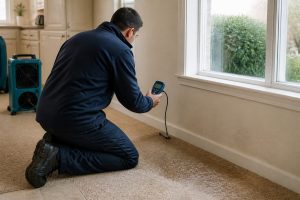
Wet Carpet: Can It Be Saved, or Should It Be Replaced?
The carpet face is only one layer. Water category, pad,...
Read More
Water Heater Leaking? First Steps Before the Damage Spreads
A leaking water heater can involve hot water, gas or...
Read More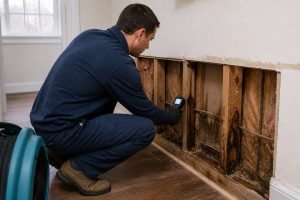
Water Damage Behind Walls: Signs, Detection, and Next Steps
Odor, paint changes and elevated meter readings can suggest hidden...
Read More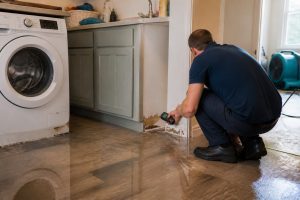
Washing Machine Overflow: Cleanup, Hidden Damage, and Prevention
A washer loss may come from a pressurized hose, drain...
Read More