
Restoration Company in Ashland, MA
Boston Restoration Group provides water damage restoration, fire and smoke cleanup, mold remediation and storm recovery for Ashland homes and businesses. We inspect the source, remove damaged material where needed, clean and dry affected areas, and plan repairs. For active damage, call our 24/7 emergency line. For a stable concern, request an assessment and describe what you have found.
Start with the source and a safe route into the property
Keep clear of immediate hazards
For active fire, gas odor, downed wires or immediate danger, leave the affected area and call 911. Keep people and pets away from standing water, sewage, damaged electrical equipment and unstable ceilings. Take photographs only from a safe position.
- Say what is happening now. Is water still entering, has a source been shut off, or has the fire area been released?
- Locate the damage. Name the room and floor, including a ceiling or adjoining space that may be connected.
- Arrange the first visit. Provide the Ashland address and the person who can unlock the property and approve the work.
For an Ashland loss, tell us when the water, smoke or dampness first appeared and whether the source is still active. Include the street address, affected floors and the best contact for entry. If basement water followed rain or a drain backup, mention that early. We confirm availability and discuss the next step when you call.
Water damage restoration in Ashland

Basement water after rain, an overflowing appliance and a sewer backup can look similar but require different cleanup. We ask how the incident began, inspect the source and check the affected finishes and belongings. After safe access is established, the work may include pumping or extraction, cleaning, selective removal and drying. A ceiling below an upstairs leak is part of the same assessment.
We use moisture readings to check wall bases, flooring layers and accessible cavities, then set drying equipment for the materials that can remain. Air movers and dehumidifiers are adjusted as conditions change. Before repairs, we review any remaining wet areas and the source repair. A sump, drainage, plumbing or roof problem may need a separate qualified contractor even after the interior is dry.
A similar puddle can need a different cleanup
Water after heavy rain, an appliance leak and a drain backup may reach the same finishes. Tell us how the incident began. We assess the water conditions and material damage before choosing what can be cleaned, dried or removed.
- Use the incident timeline to help trace the source
- Inspect flooring edges, wall bases and connected rooms
- Review source correction before closing repaired assemblies
Work through the basement in a practical order
Inspect the route of water
Check the reported entry point, wall bases, finished flooring and belongings. Photographs and measurements establish the starting condition.
Remove water and unsuitable material
Extraction, cleaning and any removal follow the water source and material findings. Explain openings and protect the route out before debris leaves.
Dry the materials that remain
Place equipment where it can reach the wet assembly and check progress. A dry-looking surface does not settle the condition of insulation or a subfloor.
Review source repairs and finishes
Record what was retained or removed and identify the separate sump, drainage, plumbing or roof repair still needed before rebuilding.

Before the area is closed up
- The basement water source and any separate sump, drainage or plumbing repair are recorded.
- Wall bases, carpet layers, flooring and accessible ceiling materials are checked where the water traveled.
- The final review explains what was cleaned or removed, what remains dry and what must happen before replacement finishes go in.
What changes the material decision?
The source
Keep people out of sewage or suspect contaminated water. Source information helps determine protection, cleaning and which porous materials can reasonably remain.
Access beneath the finish
Carpet pad, insulation and flooring layers may hide water. We explain whether an opening is needed to inspect or dry them, instead of assuming every finish must come out.
Repeat wetting
Give us the history of earlier incidents and attempted repairs. Replacing a wall finish cannot solve water that returns through the same entry point.
Fire and smoke damage cleanup
Once the property is cleared for entry, BRG inspects the burned area, soot in adjoining rooms and firefighting water. We photograph affected surfaces and belongings, discuss temporary protection and explain what needs cleaning or removal. Contents that appear intact can still need attention; the cleaning decision depends on the residue and the material underneath it.
We test suitable methods before treating finishes and assess the sources of persistent smoke odor. Some belongings require specialist care, while heating or cooling equipment may need its own inspection. The repair plan follows the cleanup findings, with a record of removed materials, cleaned surfaces and remaining utility or structural work. That gives the owner a clear basis for the next stage.
Mold inspection, removal and moisture review
A recurring stain or damp smell does not show where the problem begins. We inspect moisture conditions and visible growth, and ask about earlier basement water, roof leaks or plumbing repairs. Concealed drywall, insulation and flooring may need inspection when the findings point beyond the exposed surface. We explain proposed access before opening finishes.
Remediation can include containment, controlled removal of unsuitable porous materials and HEPA vacuuming or detailed cleaning of retained surfaces. The moisture source also needs correction. Before repairs cover the area, we review cleaning, drying and any agreed independent evaluation. Mold testing is considered when it will answer a specific question about the property or the work.
Questions the inspection should resolve
- Inspect moisture conditions behind recurring stains
- Explain any access needed to define concealed damage
- Match removal and cleaning to the material involved
Leave suspected growth undisturbed while the work area is assessed. Mention any earlier cleaning, removed finishes or inspection reports during the first conversation.
Homes, businesses and rental properties need the same source information
We serve homes and businesses across Ashland, including downtown and the Route 126 and Route 135 corridors. For a shop or shared building, tell us whether adjoining rooms or another tenant's space may also need inspection. Let us know which entrance to use, whether anyone is inside and who can open the affected rooms or utility areas.
For lower-level water, the timeline is useful: did it begin during rain, after an appliance ran or when a drain backed up? We use that history alongside the inspection to understand the likely source and cleaning needs. The room may look similar in each case, but the water and affected materials can require different treatment. The assessment should resolve those differences before demolition or drying begins.
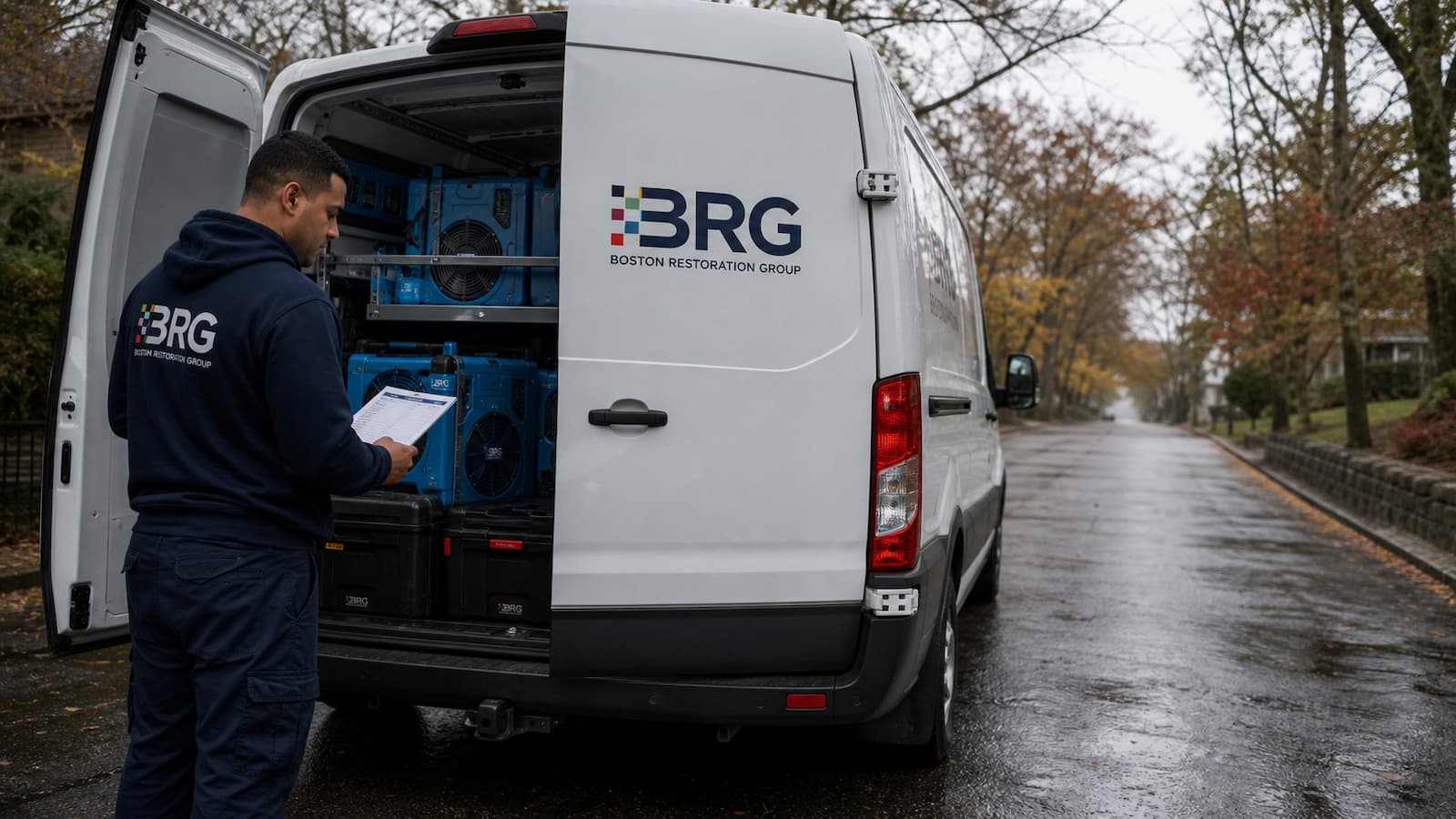
Restoration for Ashland businesses and rental properties
A leak in a business can affect work areas, stock and the rooms used by neighboring occupants. We coordinate with the owner or manager to establish the cleanup boundary and access needs. Provide the best incident contact, shared-entry details and any restrictions on equipment, noise or movement through the building.
For rental and multifamily properties, we document findings by room or unit and discuss access with the authorized contact. The scope separates immediate cleanup from drying, source repairs and reconstruction. That record gives the people involved a practical way to follow progress and understand why some work must wait for another repair or clearance.
Additional restoration services in Ashland
- Sewage and septic backup cleanup
A drain or septic backup needs a cleanup plan that accounts for contamination. We assess affected surfaces and contents, remove material that cannot be cleaned appropriately and coordinate drying after cleanup. Plumbing or septic repair may be needed to stop the backup.
- Storm, roof leaks and winter water damage
Rain through a roof opening, wind damage and water from ice dams can affect several levels of a building. We assess the interior path, arrange temporary protection where appropriate and plan drying alongside the roof or exterior repairs the property needs.
- Odor removal and contents care
Smoke, damp materials and contaminated contents can leave an odor after the visible mess is gone. We investigate the source before selecting cleaning or deodorization methods. Furniture, textiles and other belongings may need separate cleaning, relocation or specialist assessment.
- Emergency board-up and building protection
Broken windows and damaged openings may leave a property exposed after a fire or storm. Once access is safe, temporary protection helps secure the affected area while the permanent repair scope is prepared. Tell us about damaged doors, glazing and access restrictions when you call.
- Repairs after cleanup and drying
The repair phase can include drywall, insulation, flooring, trim and other finishes within the agreed scope. We review what was removed, which materials can remain and what source repairs still need completion. Structural concerns require the appropriate qualified professionals before work proceeds.
- Specialty cleanup and equipment rental
Some projects need discreet trauma cleanup, targeted disinfection or equipment for a defined drying task. Describe the situation so we can discuss the right service, access and supervision. Rental equipment needs a suitable setup and monitoring plan for the space.
Can you help with a flooded finished basement in Ashland?
Yes. We inspect the water source, affected finishes and contents, then define extraction, cleaning and drying needs. Avoid entering a basement with wet electrical equipment or other hazards. Tell us whether the water followed rain, a plumbing problem or a drain backup, because that history can change the cleanup approach.
Should I pull up wet carpet or flooring before you arrive?
Leave removal decisions for the assessment when it is safe to do so. The water source, material condition and layers beneath the surface affect what can remain. Take photographs from a safe location and keep people away from contaminated or electrically hazardous areas rather than beginning demolition.
What if the basement becomes wet every time it rains?
Repeated water entry needs attention to the source as well as the damage inside. We can assess affected materials and carry out the appropriate cleanup and drying. Drainage, foundation, sump or exterior repairs may require a separate qualified contractor. Share the history of previous incidents and repairs during the inspection.
Can you inspect the ceiling below an appliance leak?
Yes. We check connected rooms and assemblies when water may have traveled to the floor below. The appliance may be upstairs while the clearest stain appears downstairs. Access and moisture measurements help determine whether the ceiling, flooring or wall cavities need drying, an opening or material removal.
Do you provide the same services to Ashland businesses?
Yes. Our water, fire, smoke, mold, storm and related restoration services are available for commercial properties as well as homes. For a shop, office or managed building, we discuss the affected space, authorized contact, business access and any shared systems before establishing the work plan.
How quickly can you arrange restoration in Ashland?
Call 617-202-3772 for the 24/7 emergency response line. We ask about active damage, the property address and safe access, then confirm availability and the expected next step. Stable moisture or mold concerns can be discussed as assessment requests. Arrival depends on the situation and current availability, not a fixed promise for every call.
What affects restoration cost and the time needed?
The cause, affected materials, contamination, access and repair work determine the estimate. Drying a wet floor and rebuilding a finished basement involve different stages. We monitor material condition during cleanup and drying, then explain the repair schedule. Newly exposed damage should be documented and discussed before additional work is approved.
Do you help with insurance documentation?
Yes. We can document observed damage, the proposed work and completed tasks with photographs, estimates and relevant drying records. Ask your insurer about its claim process and requirements. The policy and circumstances determine coverage; BRG does not decide whether a particular leak, flood or mold loss will be paid.
Nearby service areas
Need restoration help in Ashland?
Call for urgent water, fire, smoke, mold or storm damage. For a stable situation, use the form to describe the property and the help you need.
617-202-3772- Tell us which rooms are affected and when the damage started.
- Include the property address and a phone number for access.
- Mention any repair, cleanup or drying already attempted.
Boston Restoration Group
178 Crescent Rd, Needham, MA 02494
Serving Ashland and Greater Boston
Request restoration help
For an active emergency, please call. Use this form for assessment requests and other inquiries.
Prefer to speak with us? Call 617-202-3772.