
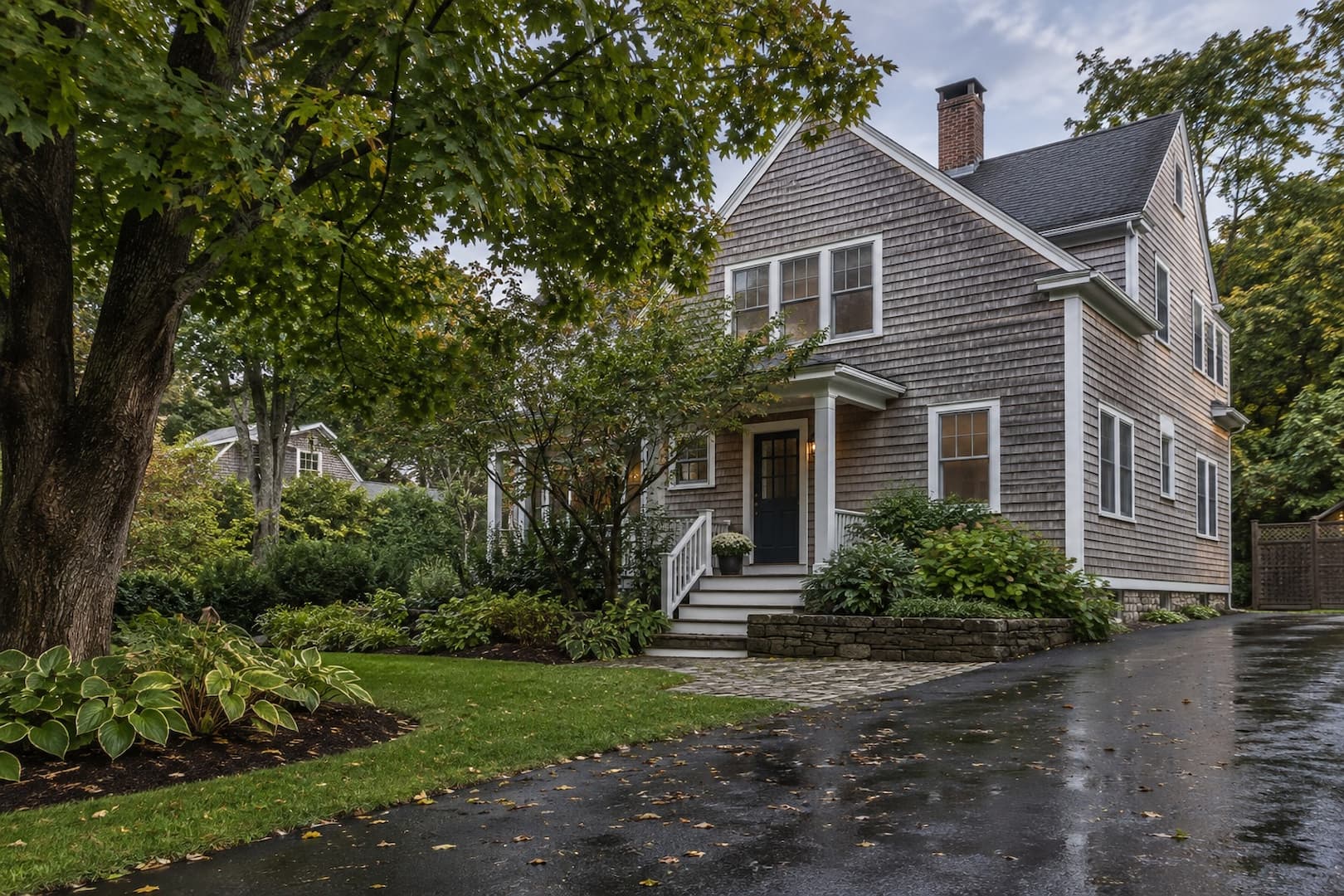
Restoration Company in West Peabody, MA
A wet basement can put the rest of the house on hold. So can smoke in the bedrooms or a leak hidden behind the kitchen. Boston Restoration Group provides restoration in West Peabody with a practical focus: trace the damage, decide what can stay, and give each room a clear route back into use.
Look beyond the visible edge
Follow the damage through the building
Start in the damaged room, then follow the connected walls, cavities and air paths. The aim is to find where the damage stops. BRG uses that information to define cleanup, drying and the areas that need protection.
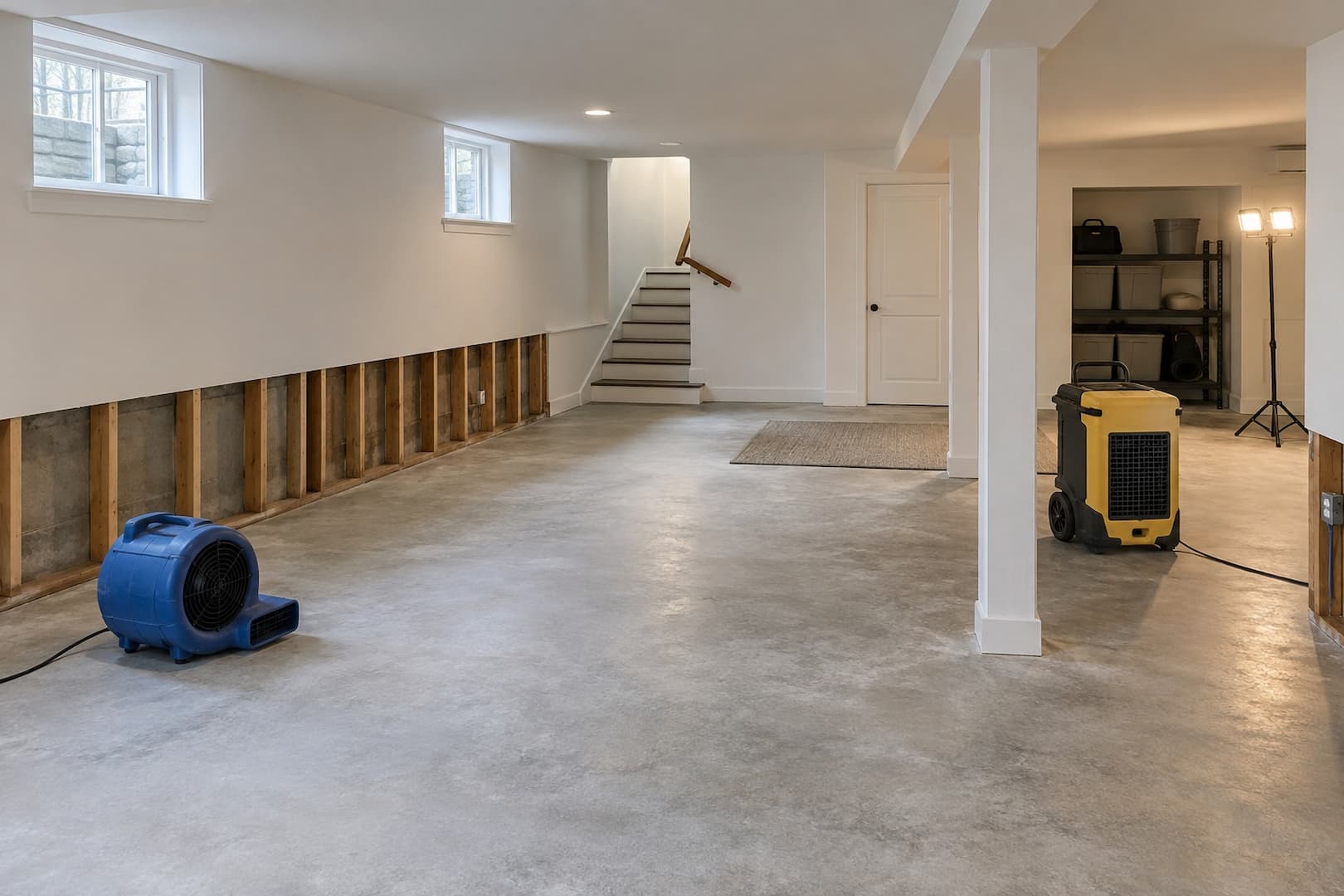
Basement to first floor
Stored boxes can hide wet wall edges, and a finished partition may conceal damp insulation. We check the floor assembly and the stored contents, even after the standing water is gone. Tell us whether the basement has been wet before, even if the earlier event seemed minor.
Bathroom or kitchen to the room below
A ceiling stain may be the end of a longer path. Water from a supply line or appliance can spread under flooring and around cabinets before finding an opening below. The stain's outline alone will not define the drying area.
Roofline to wall cavity
Wind-driven rain and ice dam leaks can wet insulation well away from the first drip. The roof defect needs correction while the interior work addresses retained moisture. Report staining that changes with the weather, along with any earlier roof repair.
West Peabody's open space does not tell the whole water story
The city describes its West Peabody greenway segment alongside the Norris Brook watershed, Crystal Lake Conservation Area and Hoover Street wetlands. These are useful geographic references. They are not evidence that a particular house is in a flood zone or that every basement leak comes from groundwater.
At the property, the questions are more specific: Did water enter through a wall joint? Did a drain overflow? Was the sump running? Did a pipe continue leaking after the rain ended? That history helps separate an exterior water problem from an indoor failure.
Make the material decision early
What can be saved depends on what got wet
Removing every finish can discard usable material. Trying to dry every finish in place can leave damage hidden. BRG weighs contamination, condition and access before recommending what stays.
Flooring and the layer beneath it
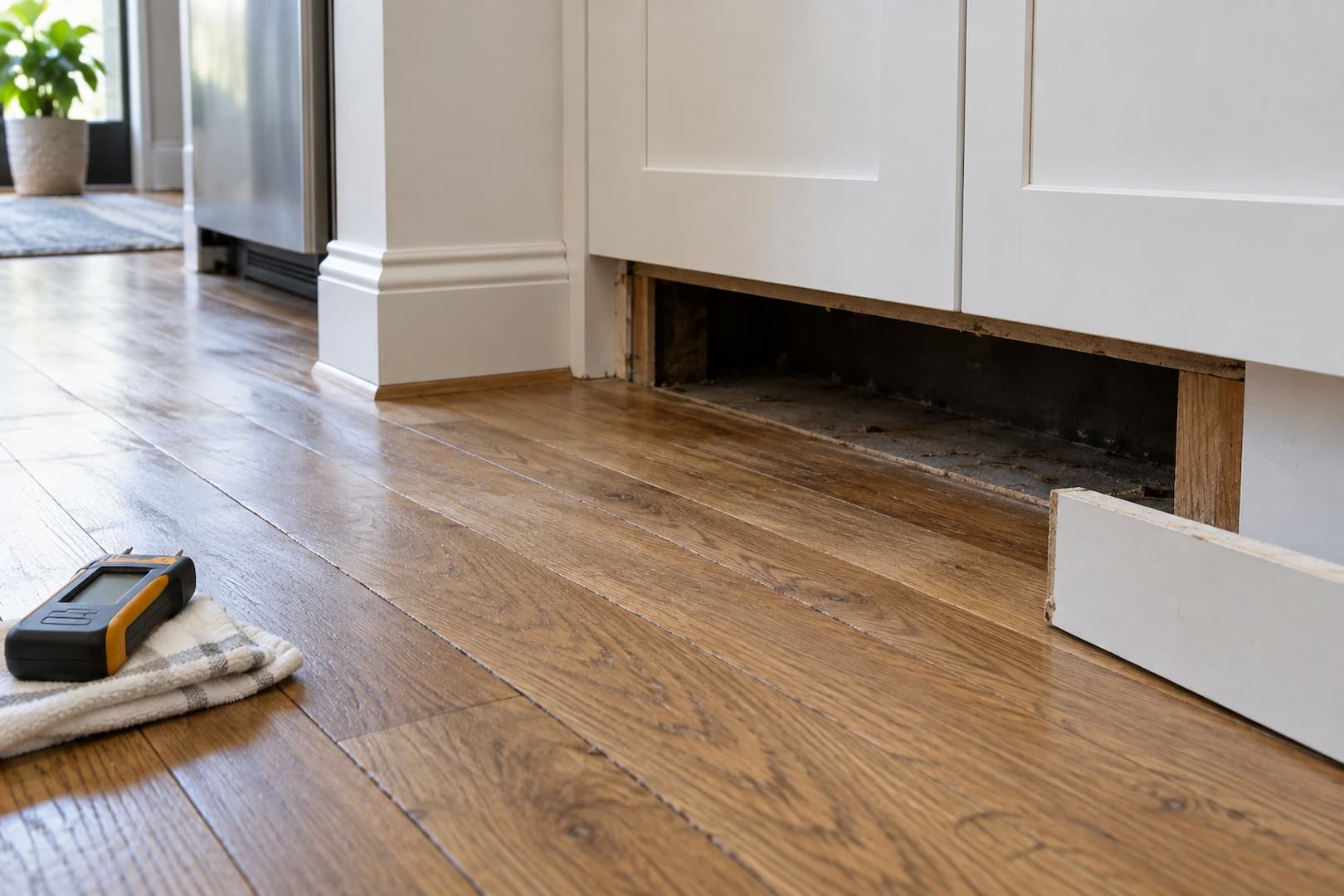
A solid wood floor, laminate plank and glued floor covering do not react the same way. We consider swelling, loose bonds and moisture in the subfloor. Drying may preserve an assembly, but visible improvement does not guarantee that a damaged finish will recover. Refinishing or replacement decisions should follow the moisture assessment.
Cabinets and built-in storage
Water can collect behind a toe kick or soak the base of a cabinet while the doors still look sound. The cabinet's construction matters. Swollen composite panels may have lost strength, while other components may be candidates for cleaning and drying. Access should be discussed before a built-in unit is dismantled.
Insulation, wallboard and trim
Wet insulation and damaged wallboard can limit drying. Selective removal provides access where needed, with care around unaffected finishes. In older assemblies, suspect materials may require evaluation before disturbance. Ask how much will be opened and what it will take to repair that opening.
Belongings you want considered
Set priorities for furniture, photographs and stored records. List the affected belongings so you can discuss which need cleaning and which cannot reasonably be saved. Avoid putting wet belongings into sealed boxes for storage; discuss the handling plan before moving them into another room.
Three problems that change the cleanup method
Sewage or drain backup
Sewage cleanup calls for controlled access and a plan for contaminated porous materials. Keep shoes, pets and belongings from carrying residue into clean rooms. The blockage or plumbing fault needs correction as the cleanup proceeds; drying alone cannot remove contamination.
Smoke after a contained fire
A fire confined to one room may leave soot or odor elsewhere. BRG assesses affected surfaces and contents after responders release the property. Residue type and material determine cleaning methods. Deodorizing should address the source of the smell, with smoke damage restoration coordinated with any firefighting water damage.
Mold after repeated dampness
A surface treatment cannot correct a slow leak behind the wall. Mold remediation starts with the moisture issue and extent of affected material. Containment and controlled removal may be appropriate; testing has value when it answers a defined question. Odor or color alone does not establish the species or risk.
Progress you can discuss
Drying is a series of checks
BRG removes recoverable water, sets a drying approach for the structure and checks how the materials respond. Air movement supports evaporation. Dehumidification removes moisture from the air. Both depend on access, room conditions and the assembly being dried.
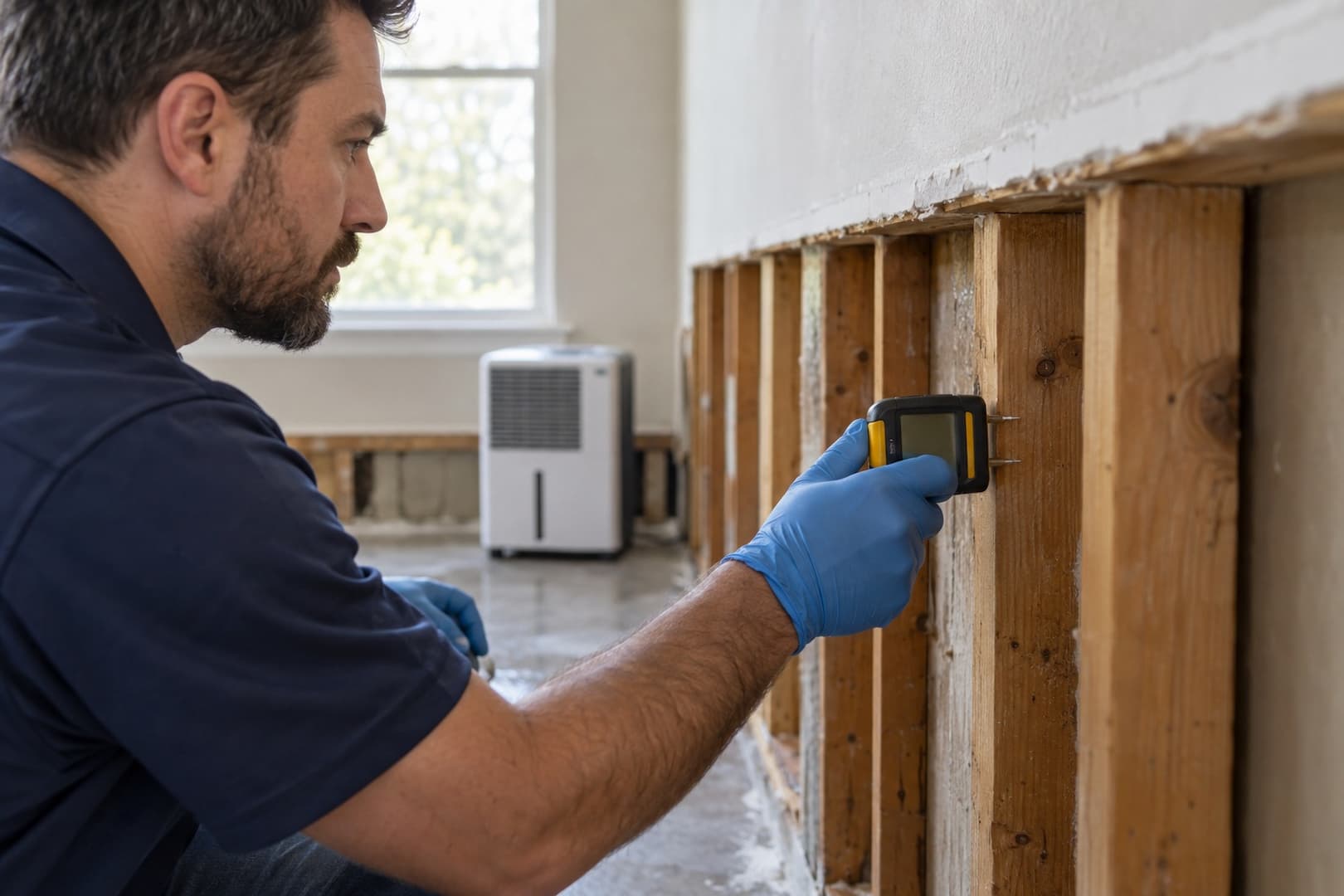
A meter reading means more when it has a location and a comparison. Ask which materials remain wet and what would change the plan. A room may need equipment repositioned, more access or a revised removal decision as the work progresses.
Keep equipment operating as directed and tell the team about noise or access difficulties. Switching it off without discussion can interrupt drying and make the schedule harder to predict.
Set boundaries for the work and for daily life
Homes and rental properties
Identify bedrooms, bathrooms and routes that occupants still need. The team can discuss separation of affected areas and contents handling, but safe occupancy depends on the damage. A compromised ceiling, contamination or unavailable utilities may prevent use of part of the home. Coordinate landlord authorization and tenant access at the start.
Offices, shops and managed space
For commercial restoration, tell us which operations are affected and when people use the building. Drying equipment, deliveries and repair access all compete for space. Work planning can consider those needs while keeping customers and staff away from hazards.
Separate today's mitigation from the remaining repairs
Agree on the immediate scope
The estimate should show where the team will work, what will come out and what needs drying. The extent of hidden damage can change after access opens. Ask how changes will be documented and approved before extra work proceeds.
Keep the claim record useful
Save photos, the discovery date, receipts and the claim contact. BRG can provide restoration documentation. Your insurer determines coverage under your policy, including deductibles and any limits relevant to the source of the loss.
Close the building at the right stage
Before rebuilding covers the assembly, review the drying and cleaning results. Confirm that the water source has also been corrected. Confirm who will handle each remaining repair and what access is still required. The remaining work and the availability of repair materials will set the final schedule.
West Peabody restoration questions
My sump removed the water. Is there still a reason to call?
There may be. A sump removes water that reaches its pit; it does not establish whether carpet, wall insulation or a finished partition stayed wet. Describe the water level, duration and materials affected so BRG can discuss an assessment.
Can wood flooring dry without being removed?
Sometimes, depending on the water source, floor assembly and damage. BRG checks the floor and accessible layers beneath it. Cupping, delamination or trapped moisture can change the recommendation, and drying cannot promise reversal of permanent damage.
Do you cover West Peabody separately from Peabody?
BRG serves West Peabody as part of its Peabody service area. It is a neighborhood within the city, not a separate municipality. Give the full address and any driveway or entry restrictions when arranging service.
How long will dehumidifiers stay in the house?
The answer follows the readings, materials and drying conditions. Ask for progress updates and the criteria for equipment removal. A fixed number of days offered before inspection may miss hidden moisture or difficult assemblies.
Can cleanup begin before the insurance decision?
Discuss authorization, the proposed scope and payment responsibility with BRG and your insurer. Coverage decisions and work authorization are separate matters. Document the damage safely and keep records of steps taken to limit further loss.
Start with the room you are worried about
Tell BRG what you see, which rooms connect to it and whether the source is still active. For West Peabody homes, rentals and commercial properties, call 617-202-3772 to discuss the assessment and immediate work.
617-202-3772- Street address and easiest safe entrance
- Where you first saw water, soot or growth
- Finished spaces above or beside the damage
- Any work or pumping already completed