

Restoration Company in Swampscott, MA
When water comes through a window, backs up from a drain or reaches a lower floor during a storm, the source changes the cleanup. BRG helps Swampscott property owners sort out those differences, address damaged materials and plan the work needed to use the space again.
Start with the water source
Identify what entered before deciding what can stay
Water from inside the building
A broken supply line or leaking appliance starts with source control and an assessment of where the water traveled. Time, contact with other materials and existing conditions can change the cleanup. Clear-looking water is not enough to establish that every wet item can remain.
Water that crossed the ground or backed up
Storm runoff and sewage can carry contaminants into the building. Their path matters when deciding which finishes to remove, how to separate the work area and what can be cleaned. Do not treat a flood-soaked carpet like a fresh spill from a sink.
Swampscott’s stormwater information explains how runoff reaches local waters and the Atlantic. That coastal setting is relevant to planning, while the cause and extent of damage at your address still require an inspection.
Look at the envelope before the interior gets rebuilt
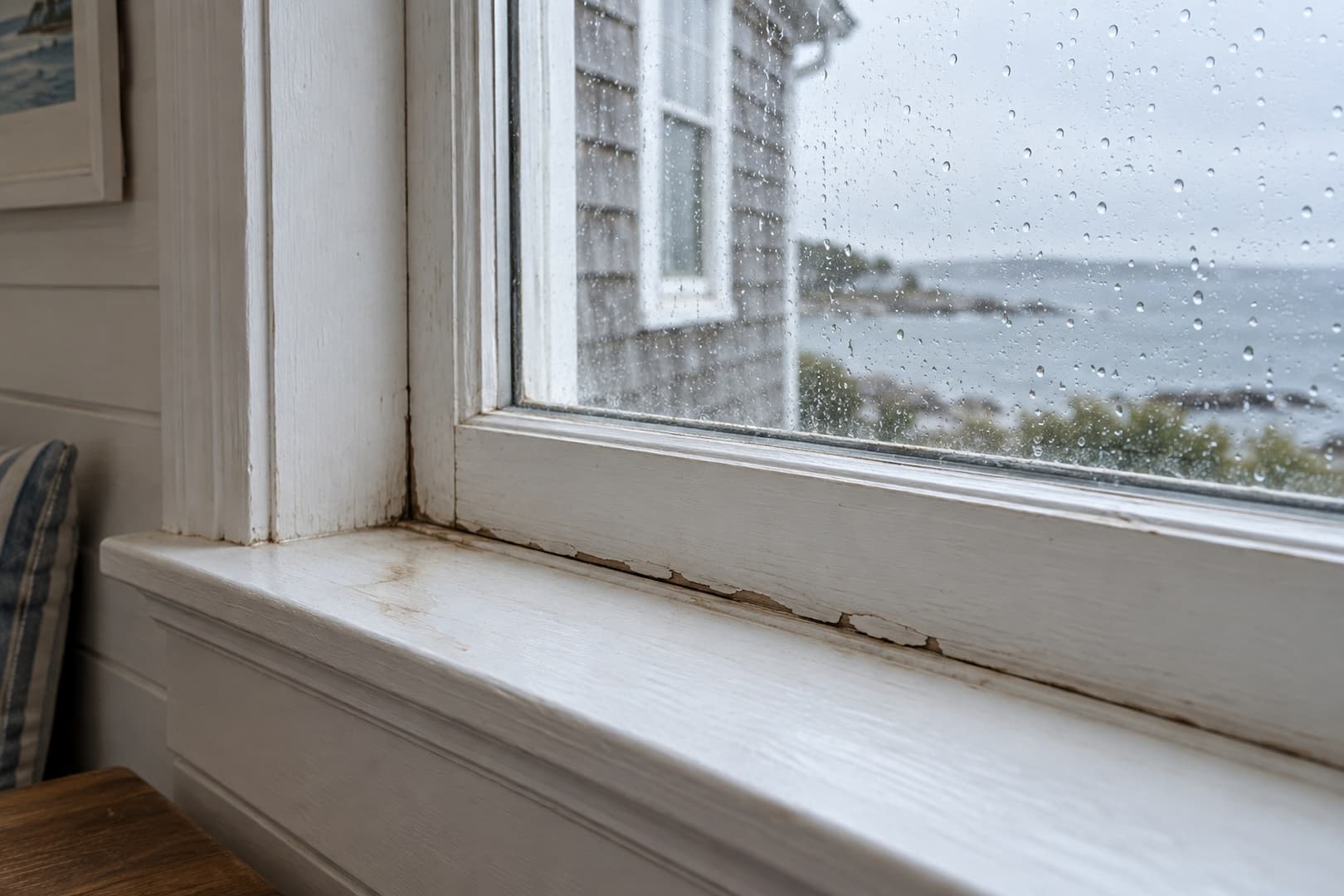
Wind-driven rain can enter around a window or damaged roof. Water may run behind the trim before it shows on paint, leaving the owner with a stain far below the opening. Photograph the first signs and note the weather and time of discovery.
A coastal event can also bring water through lower openings. Where saltwater exposure is suspected, tell the assessor: residue and corrosion concerns can affect cleaning and the evaluation of metal components or equipment. Electrical and mechanical systems need the appropriate trade’s judgment before reuse.
Plan temporary protection first. Then agree who will repair the entry point and who will restore the wet interior. BRG can discuss storm damage restoration while the roofer, window contractor or other trade resolves the entry point.
Make the first call from a safe, dry place
Keep away from water near electrical equipment and from rooms with sagging ceilings. Follow emergency officials’ directions during a coastal storm. A flooded street or stairwell can prevent safe access even when the damaged room itself looks reachable.
If the loss involves a drain backup, stop using connected fixtures where practical and keep people and pets out of the affected space. Avoid spraying cleaners or running portable fans across unknown contamination.
Keep, clean or remove: make the decision by material
A restoration scope should explain why a material stays or goes. The answer depends on what touched the material, how long it stayed wet, whether it is damaged and whether the crew can reach the layers behind it.
| Material | What the assessment needs to resolve |
|---|---|
| Wallboard and insulation | Can the cavity be reached and dried, and has contamination or loss of strength made removal necessary? |
| Wood flooring | How far did water move beneath the boards, and what is the condition of the subfloor? |
| Cabinetry and built-ins | Did water enter the enclosed base, and have panels swollen or separated? |
| Upholstery and rugs | What entered the fibers, and can the item be cleaned without retaining contamination or odor? |
| Stored possessions | Which items stayed dry, which need separate handling, and what evidence should be recorded before disposal? |
Extraction removes accessible water. Controlled airflow and dehumidification address moisture left in suitable materials. Readings should guide the end of drying, including checks below or behind the finished surface where necessary.
Smoke and mold need their own cleanup methods
A smoke odor can persist in a room with little visible soot. Fire restoration looks at residue on surfaces, contents and the paths smoke took through the property. Test cleaning helps establish how a finish responds before treating a larger area. Water used during firefighting may create a second drying task.
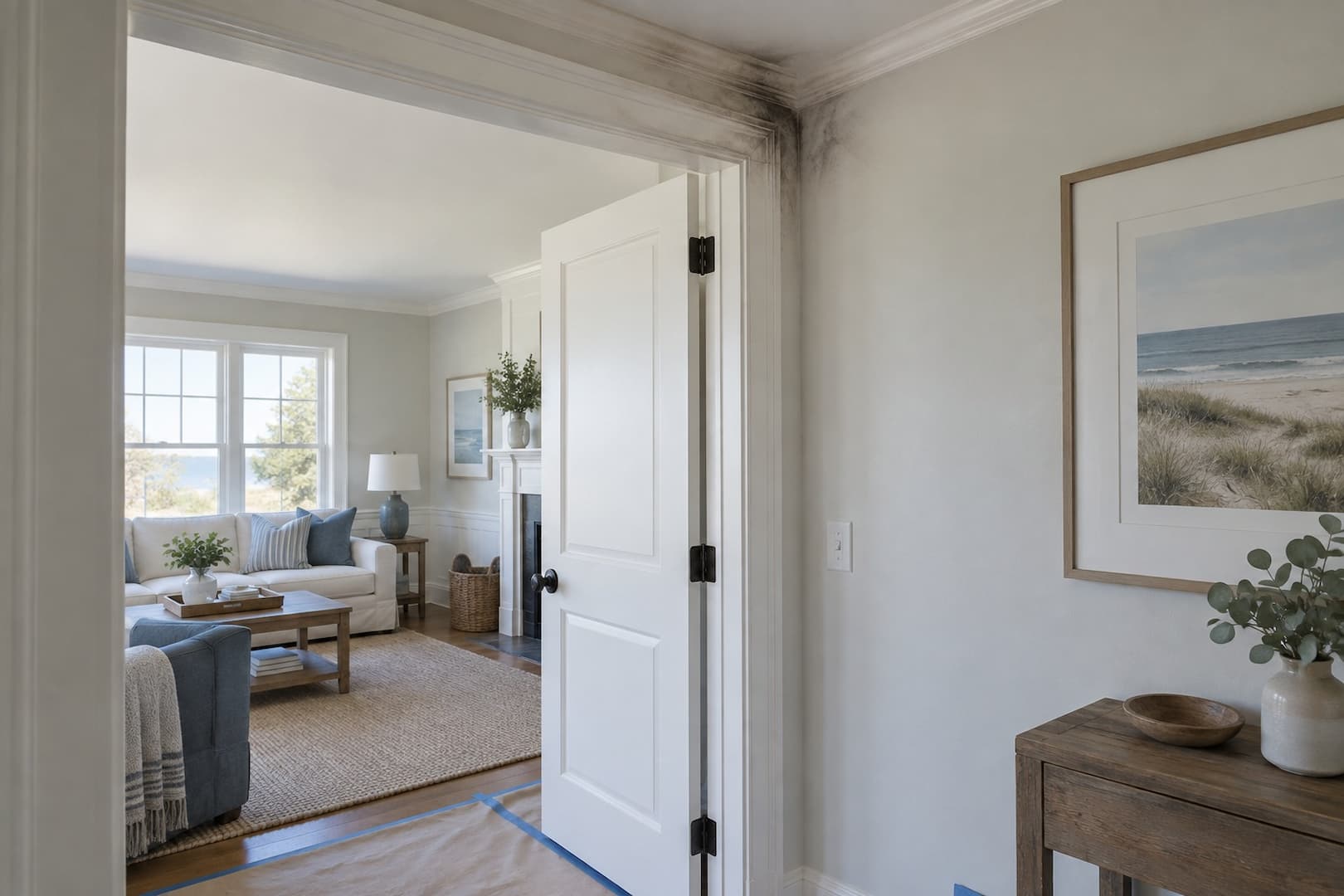
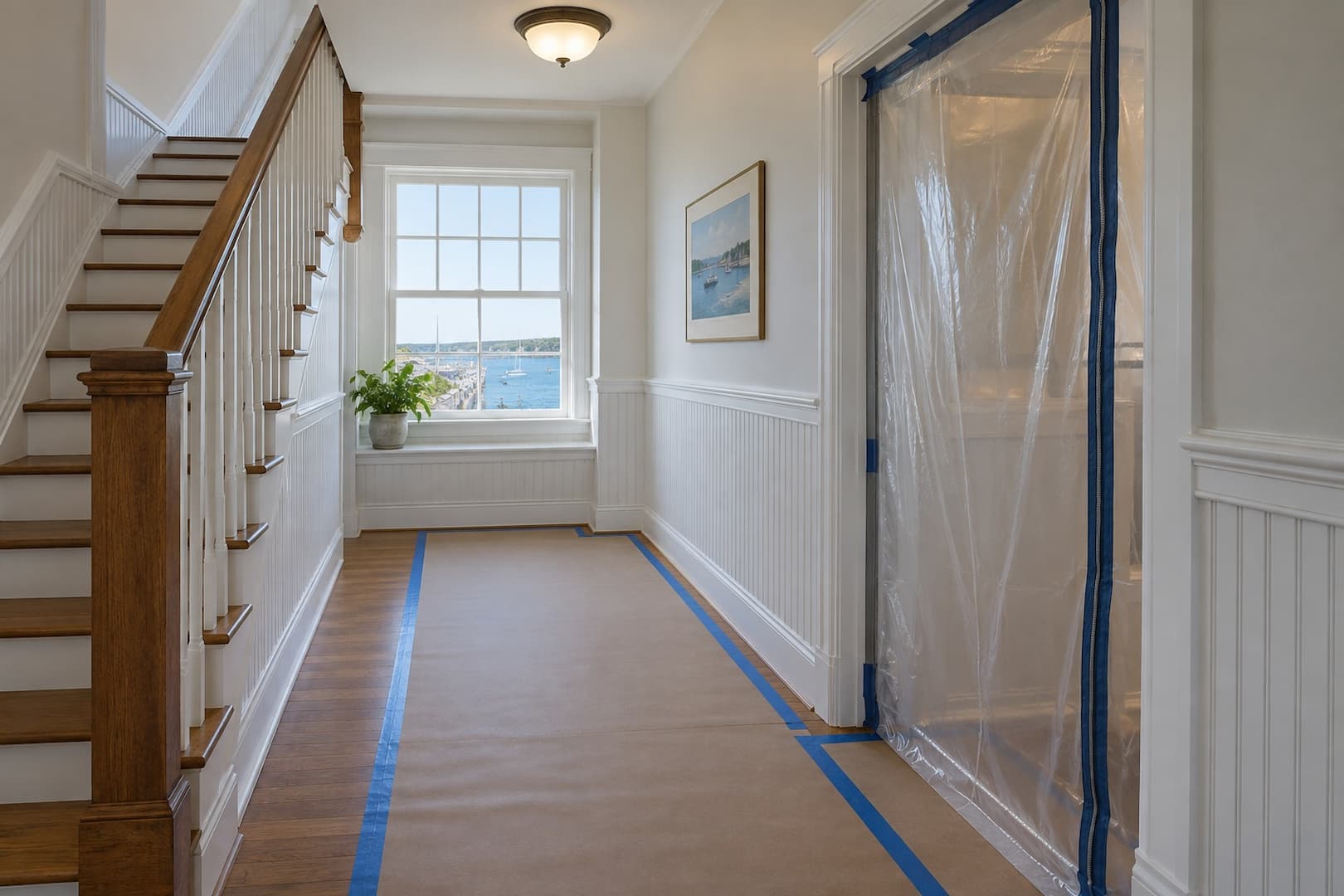
For mold concerns, the first useful question is why the surface stayed damp. A window leak, wet insulation or a repeated basement entry can sustain growth even after the visible mark is covered. Remediation may require containment and controlled removal, followed by cleaning and moisture correction.
BRG provides fire and smoke restoration and mold remediation. Neither an air freshener nor a new coat of paint resolves contaminated material hidden behind a finish.
Shared buildings need a shared access plan
In a condominium or apartment building, the wet wall may cross an ownership boundary. Contact the manager or association early so the inspection can include affected units and common areas. Agree on who receives updates and who authorizes work.
For a storefront or office, identify the doors customers and staff can safely use. Equipment, containment and contents handling should fit that route. Keeping a dry room available may be possible, but continued use depends on the hazards and the ability to separate the work.
Homeowners have similar practical needs: somewhere to sleep, an accessible bathroom and a clear route for pets or family members with limited mobility. Raise those needs before work begins so they can shape the plan.
Leave the job with answers about repairs and payment
Cleanup costs change with the amount of affected material, contamination, access and drying requirements. Rebuilding is another part of the scope. Ask which repairs BRG will perform or coordinate and which require a separate specialty trade.
A completion date depends on more than removing the water. Concealed moisture, source repair, drying progress and material availability can each affect when finishes go back.
Save photographs of the initial conditions and a list of damaged possessions. BRG can document the restoration work and provide scope information for your claim. Coverage depends on the policy and the cause of loss; a coastal address does not make every water event the same insurance question.
Before closing the project, review the materials left in place, remaining repairs and any unresolved entry point. Keep those details with the final scope so the remaining repairs are clear.
Swampscott cleanup questions, answered plainly
Does being near the ocean mean my water damage is saltwater damage?
No. A supply line, appliance or roof leak can cause damage in a waterfront property. The assessment should establish the actual source and exposure. Location provides context, but it does not determine the cleaning method by itself.
Can my condo be inspected without the neighboring unit?
Sometimes, but water paths may require access above, below or beside the reported damage. Contact the building manager early. BRG can identify the access needed to understand the loss and avoid leaving an adjoining wet area outside the scope.
Should I keep a flood-soaked rug for insurance?
Photograph it and record identifying details from a safe location. Ask your insurer about documentation and disposal requirements. Do not keep contaminated belongings in occupied rooms solely to preserve evidence; arrange a safe holding or disposal plan.
Will drying remove the smell after a sewage backup?
Drying alone does not remove sewage contamination. The work may require removal of affected porous materials, cleaning, appropriate disinfection and then controlled drying. The plumbing cause also needs correction.
Describe the entry point. We will help with the next step.
Call 617-202-3772 for restoration in Swampscott. Tell us whether the water came from outside, a fixture or a drain, if you know. For smoke or mold concerns, describe the rooms involved and whether the building is occupied.
617-202-3772- Address and safe access route
- Whether the source is still active
- Water level, odor or visible residue
- Building manager or owner contact