
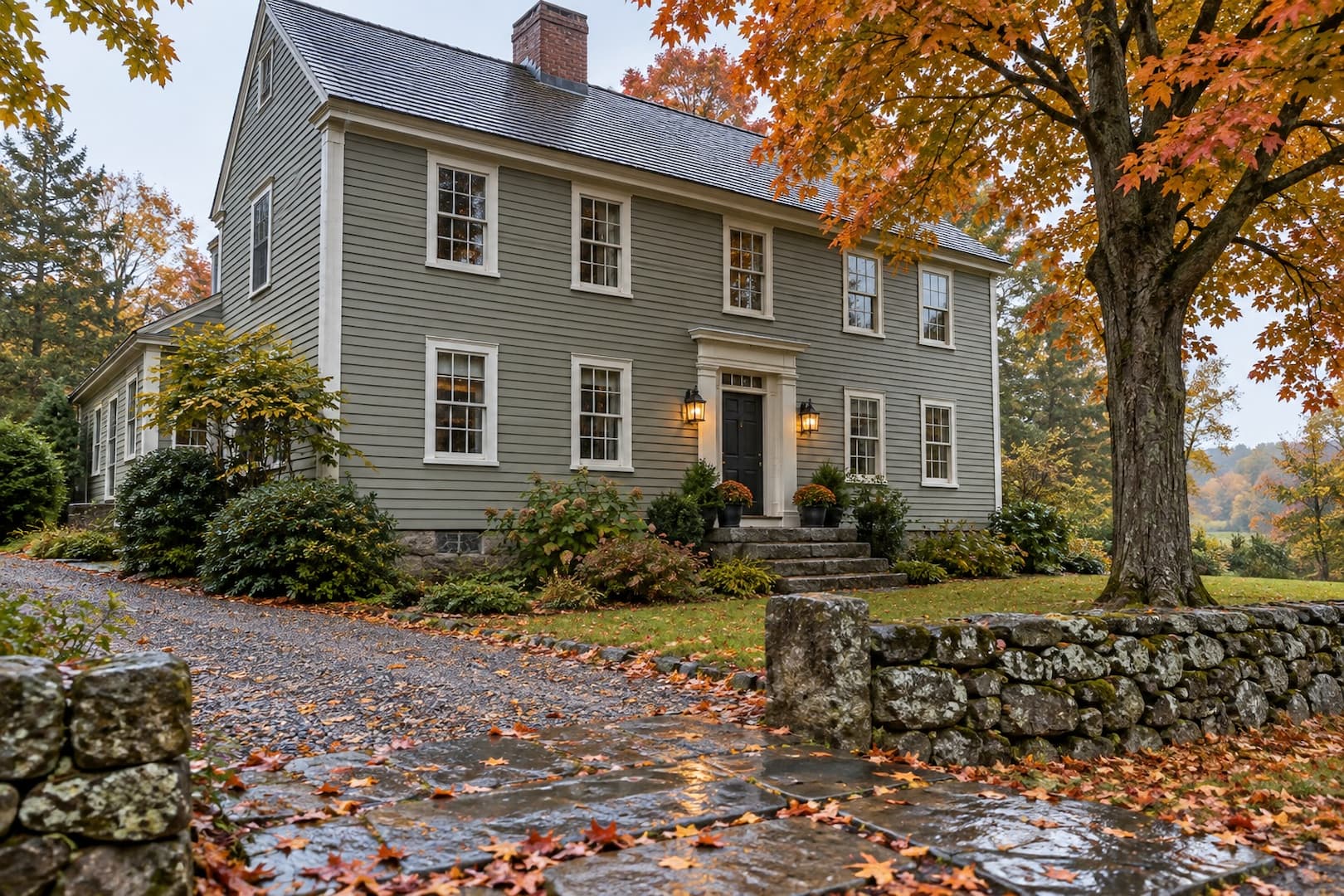
Restoration Company in Ipswich, MA
Old repairs, new water and hidden dampness can overlap in the same property. BRG helps Ipswich homeowners and businesses separate those conditions, clean up the current damage and identify what needs to happen before repairs. Call 24/7 for water, fire, mold, sewage or storm concerns.
First signs and earlier repairs
The building has a history. The damage needs a timeline.
A ceiling can carry an old stain and still be dry. A recently painted wall can conceal an active leak. Start with what changed. There may have been a storm, an overflowing fixture or a failed appliance. Sometimes the first sign is an odor when a closed room reopens.
When you call BRG, describe the last time the space looked normal and the first sign of damage. Mention any earlier repairs. The inspection then checks current conditions instead of assuming that every mark belongs to this event.
Use local context without making assumptions about the house
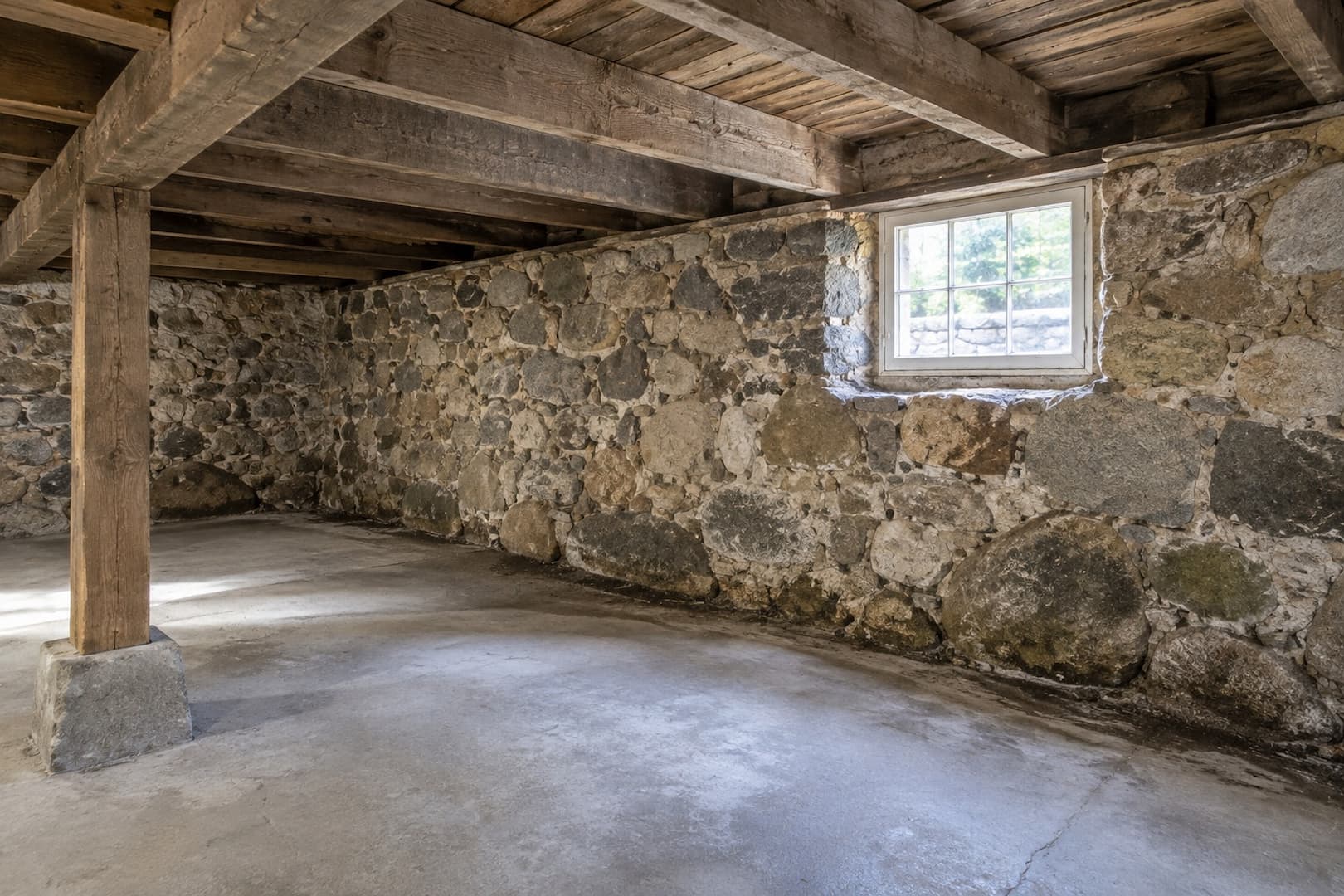
Ipswich provides floodplain information and a map viewer for property research. That is useful context for a river or coastal flood concern. It does not establish the cause of water in every basement, and an indoor plumbing leak needs attention regardless of the mapped zone.
The town also maintains historic preservation resources. An older wall may combine plaster, later insulation and several generations of repairs. Those layers affect access and drying, even when the outer surface looks ordinary.
BRG’s assessment follows the building in front of the crew. Share the construction history you know, but there is no need to identify every material before calling. Ask which conditions the inspection has established and which areas still need access or further checks.
Choose the cleanup route that matches the loss
Water in rooms or lower levels
Stop a known supply leak only if the shutoff is safely accessible. BRG can assess the wet area, extract accessible water and plan drying for the materials that can remain. Checks may extend beneath flooring, inside cabinet bases or into the room below. Water damage restoration should address those connected spaces.
Fire residue and smoke odor
After emergency officials allow access, the restoration assessment identifies affected surfaces and contents. Soot, odor and firefighting water may need different treatment. Avoid wiping residue or carrying smoke-affected belongings into clean rooms before the handling plan is clear.
Mold and recurring dampness
Visible growth or a persistent musty odor calls for an investigation of moisture and affected material. Containment, controlled removal and cleaning may be part of mold remediation. Repainting before the moisture source is corrected can leave the underlying problem in place.
Sewage or septic backup
A backup requires more than plumbing service. Keep people and pets away, limit fixture use that could feed the problem and arrange appropriate source repair. Contaminated porous materials may need removal; remaining surfaces need a suitable cleanup and disinfection plan. See sewage cleanup.
Make the salvage decision before the repair order
A wood floor that has cupped needs a condition assessment, not an immediate refinishing appointment. Cabinet panels that have separated may not recover when dry. Sound framing and some finishes may remain if they can be reached, cleaned and dried appropriately.
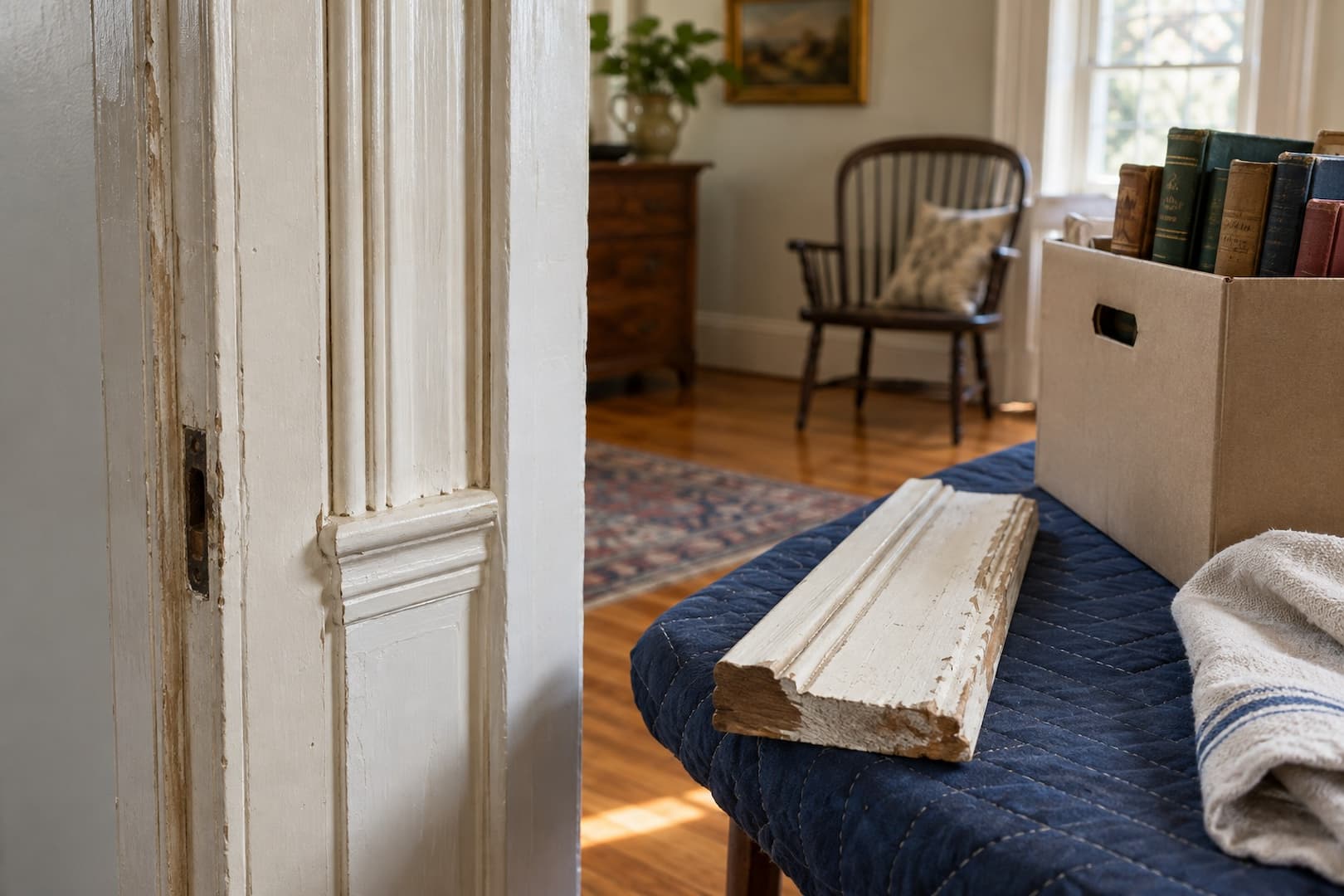
Discuss important trim, original doors and built-ins before removal. Photograph their details if replacement is necessary. Older materials may also require assessment before disturbance; the crew should identify that need before cutting or sanding.
Contents need their own record. Separate dry possessions from wet or smoke-affected items and document anything removed. A contents list should be specific enough to distinguish the dining chair from the box of books, and to show whether each item stayed, moved or was discarded.
Ask what the readings say about the remaining material
Removing standing water changes the room quickly. Moisture held in wood, insulation or concealed layers can take longer to address.
Air movers and dehumidifiers perform different jobs. The first supports evaporation from exposed wet surfaces; the second removes water vapor from the air. Access, temperature and the construction around the wet material affect how well the setup works.
A surface reading is one piece of evidence. Progress should make sense alongside material condition and suitable dry reference areas. When a wet cavity is enclosed, changing the opening can matter more than adding another machine nearby.
A pause before closing
Before new drywall or flooring covers the area, review the source repair and drying findings. Confirm which materials remain and whether any concealed location still needs attention.
There is no single drying duration that fits every Ipswich property. The schedule should respond to the actual loss, with repairs following the areas that are ready.
Storm repairs and daily use need room in the plan
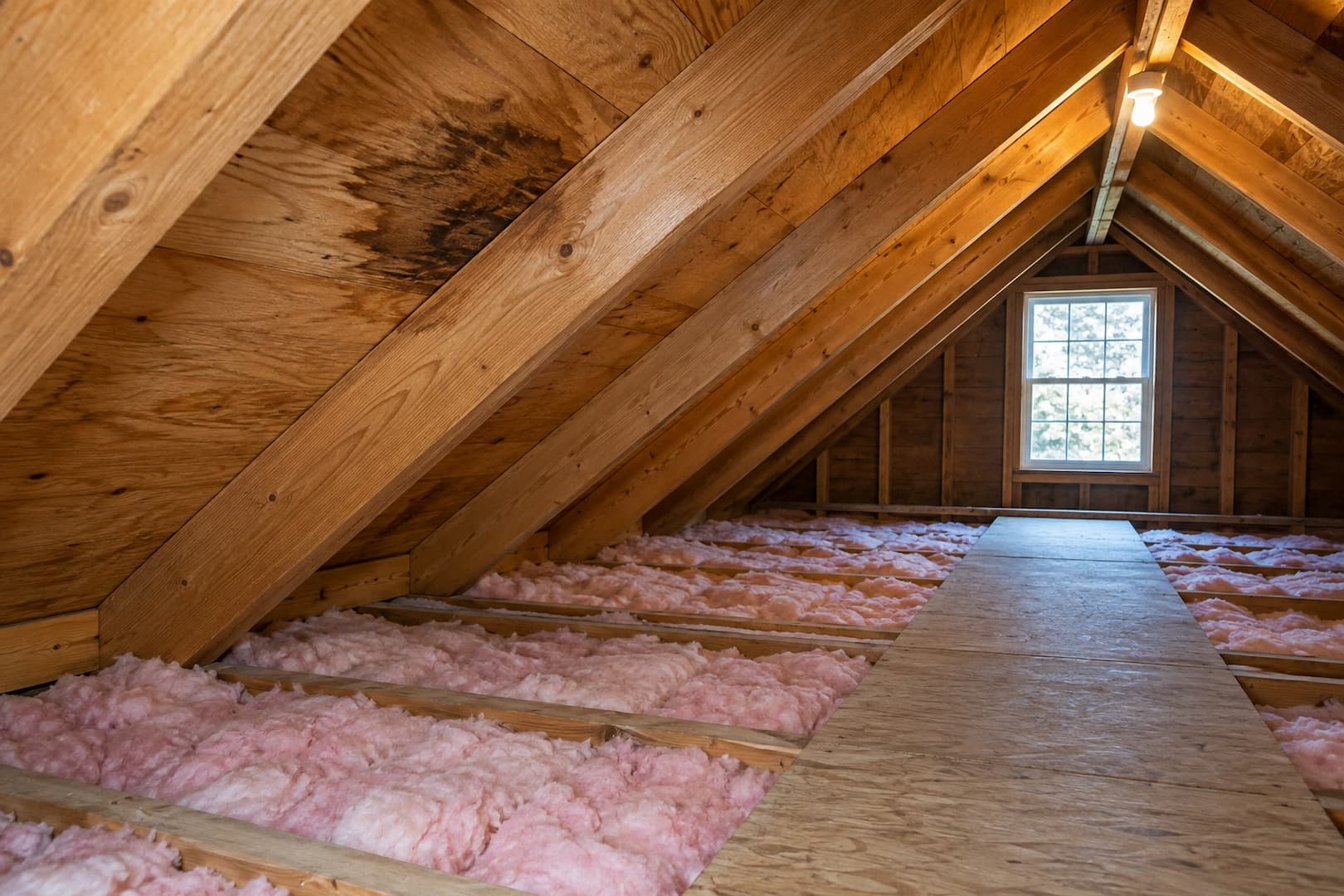
Wind damage, roof leaks and ice dams can create interior damage before the outside repair is complete. Temporary protection limits further entry; permanent roofing or building-envelope work addresses the source. Interior restoration follows the water path into insulation, walls and floors.
Keep clear of sagging ceilings and water near electrical equipment. Do not climb onto an icy or storm-damaged roof. BRG can discuss the restoration sequence and the work that needs a separate trade.
For a business, identify stock, records and the route staff need. For a rental or occupied home, identify the manager, residents and rooms essential for daily use. Safe access and separation determine whether any part of the property can stay in use while work continues.
Keep one clear record from cleanup to repair
| Stage | Information to keep |
|---|---|
| Initial scope | Observed damage, affected rooms, proposed cleanup and access needs. |
| Work in progress | Material changes, drying findings, contents movement and approved additions. |
| Repair handoff | Source repair status, materials left in place and remaining trade work. |
| Claim discussion | Photographs, estimates, invoices and the insurer’s coverage correspondence. |
Price depends on access, affected materials, contamination and the work necessary to clean and dry the building. Permanent repairs may carry a separate scope and schedule. BRG can document restoration work; the insurance carrier determines coverage and payment under the policy.
For changes to historically significant features, consult the town’s Planning Division about the review applicable to your property. Resolve that question before ordering permanent exterior replacements.
What Ipswich owners ask before cleanup
How do you separate old water marks from a new leak?
The assessment combines the loss history, visible condition, moisture readings and the construction around the stain. A mark alone cannot date the damage. Photos from before the event and records of earlier repairs can help explain what changed.
Does a flood map tell me why my basement is wet?
No. Flood maps provide planning and risk information for an address. A basement can also become wet from plumbing, local runoff or other entry paths. The immediate restoration scope needs evidence of the actual source and affected materials.
Can historic finishes be repaired after water or smoke damage?
Some can, depending on strength, contamination and access for cleaning or drying. Record details before removal and discuss important finishes early. If permanent exterior changes are proposed, ask the town which property-specific review applies.
Can the repair start while drying equipment is still running?
Some separate tasks may proceed, but closing a wet wall or covering a damp subfloor can interfere with drying and inspection. The work sequence should identify which areas are ready and which still need readings, cleaning or source repair.
Give us the short history of the damage
Call 617-202-3772 with your Ipswich address and the change you noticed. Mention older leaks, recent repairs or a room that has smelled damp for some time. Those details help frame the inspection without asking you to know what is happening behind the wall.
617-202-3772- When the room last appeared normal
- What changed and where it appeared
- Known source repairs or earlier water events
- Safe entry and the person who can authorize work