

Restoration Company in Manchester-by-the-Sea, MA
A damaged room can contain finishes worth saving and concealed materials that need to come out. Boston Restoration Group helps Manchester-by-the-Sea owners make those decisions after water, fire, mold or sewage damage, with attention to the source, access and the repairs that follow.
Check the material before choosing the repair
Find out which parts of the room can be kept
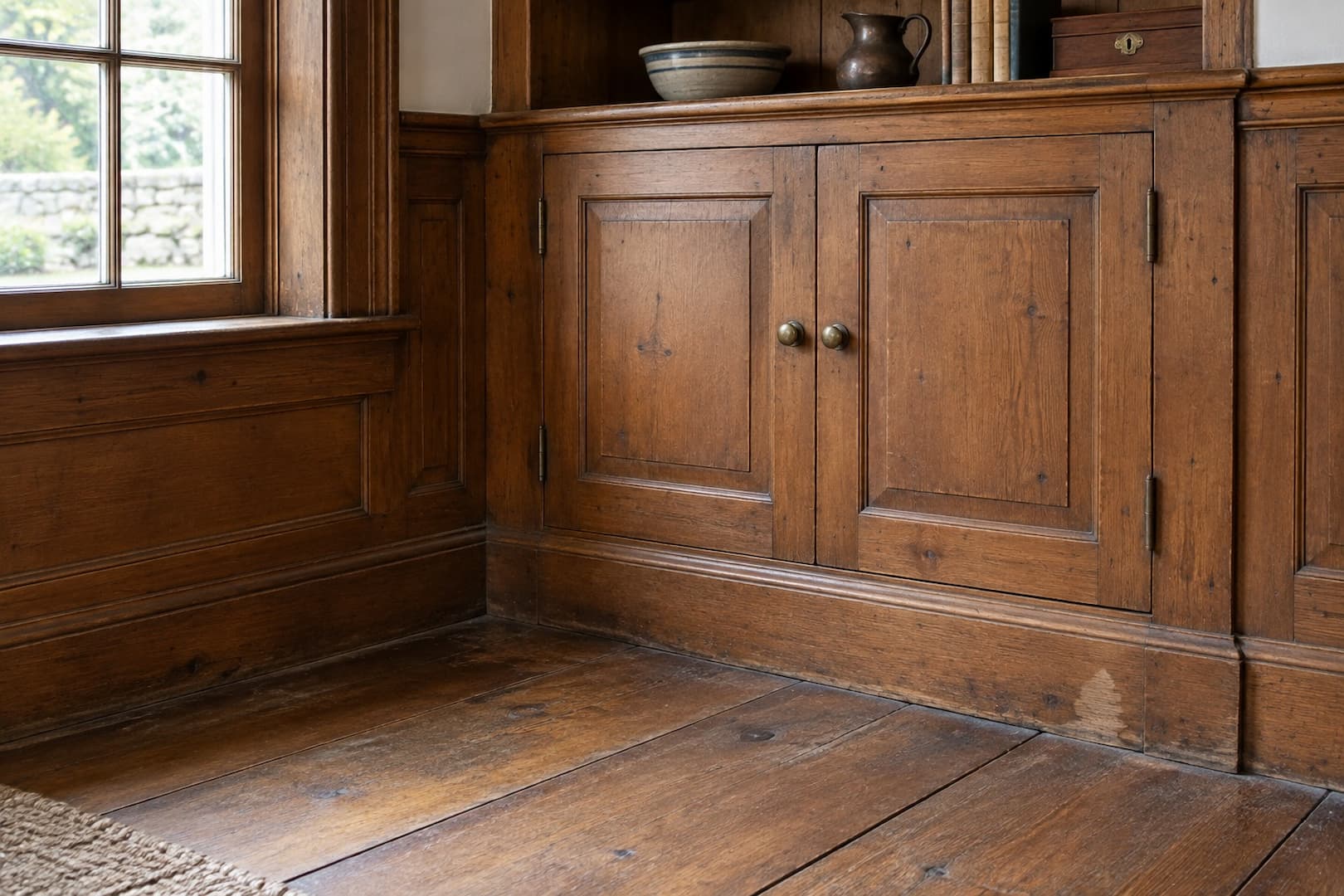
A paneled wall, wide board floor or fitted cabinet can be difficult to replace. Before broad removal, BRG looks at the damage, how the assembly is built and whether the wet or contaminated surfaces can be reached.
Some materials respond to careful drying or cleaning. Others have lost strength, separated or taken in contamination that prevents reliable salvage. Age and appearance are only part of that decision. Explain which finishes matter to you so the scope can address them directly.
Photographs of profiles, joints and hardware can also help the repair trade if replacement becomes necessary. A documented reason for removal is more useful than a blanket promise to save every finish.
Different materials ask different questions
Plaster and layered walls
Check attachment, cracking and the condition behind the face. A firm surface can conceal wet insulation or framing. Selective access may be necessary even when much of the finish remains sound.
Wood floors and trim
Moisture can enter from below or through a joint. Readings and the wood’s condition guide drying; sanding or refinishing too early can hide an unresolved problem.
Stone and masonry
The visible surface may tolerate cleaning while adjacent wood, insulation or stored contents need separate treatment. Check those adjoining materials separately; they may need a different treatment from the masonry.
Built-ins and enclosed bases
Water under cabinetry has limited access to room airflow. The crew needs to establish whether an opening can expose the wet area or whether damaged panels require removal.
Trace a storm leak differently from a pipe break
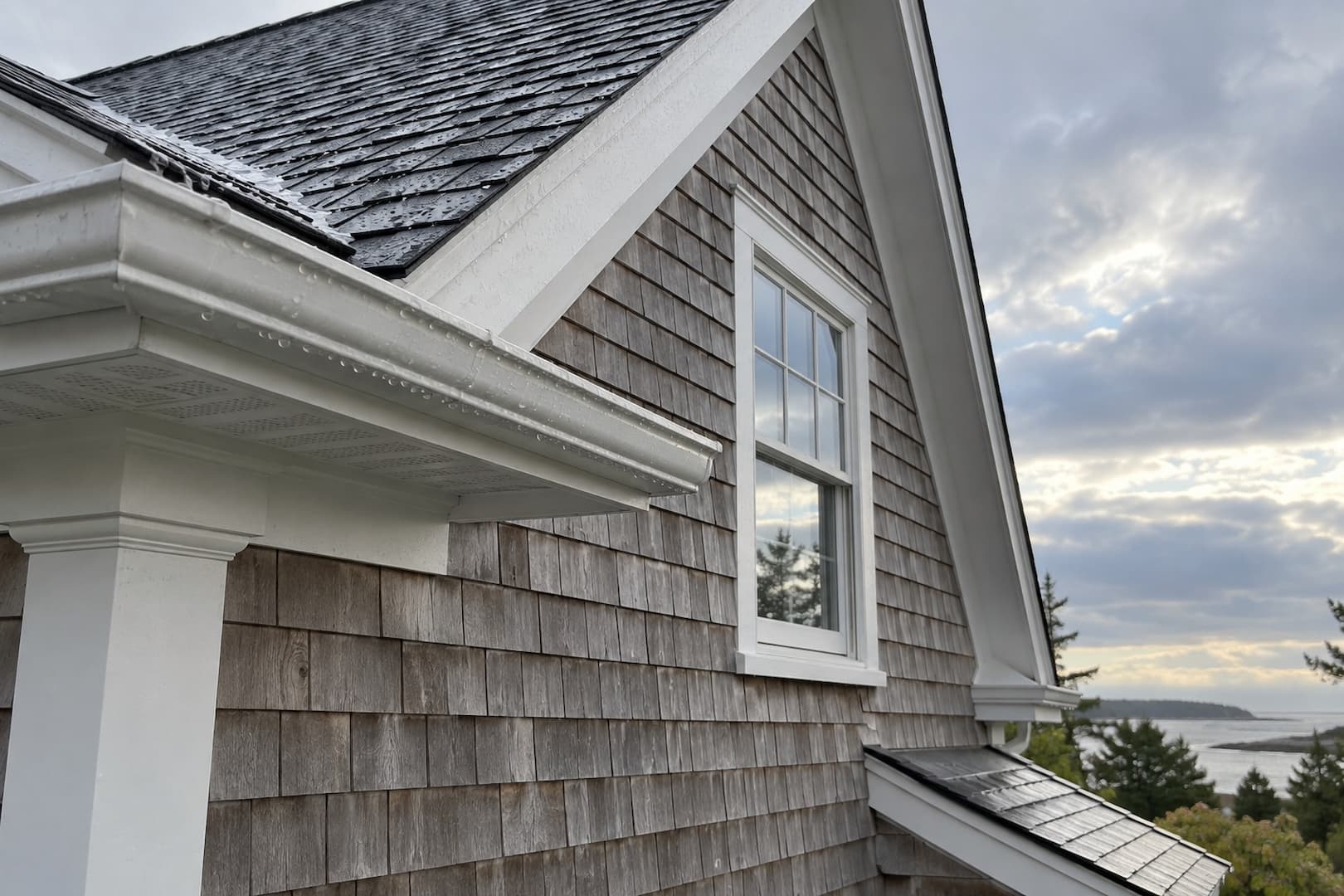
A pressurized plumbing leak may keep feeding the damage until a valve closes. Wind-driven rain can enter intermittently, making the first stain appear after the weather clears. An ice dam may send meltwater into roof layers and then into the room below.
For water at a lower level, record the entry point and whether it arrived during rainfall, a drain backup or a coastal event. Manchester publishes flood insurance rate maps, but a map does not diagnose a particular wet basement or indoor leak.
The water restoration plan pairs source control with extraction, material checks and controlled drying. Where roofing, plumbing or electrical work falls outside the cleanup scope, establish who handles it and when the room can safely move forward.
Let each stage answer the next repair question
Establish safe access
Check standing water, unstable ceilings and utility hazards before entering. A fire or immediate life-safety concern goes to emergency services first. Keep damaged rooms clear until the relevant hazards have been addressed.
Set the limits of cleanup
Record affected rooms and contents, protect dry finishes, and explain proposed openings. Containment and handling methods depend on smoke, mold, sewage or other contamination.
Extract, clean and dry
Remove accessible water, address unsuitable material and use airflow with dehumidification where appropriate. Track conditions in the assemblies that matter to the loss.
Review before closing
Confirm the source repair, the drying findings and the materials left in place. Identify the remaining carpentry, plaster, flooring or finish work before the repair crew closes access.
Drying has to follow the material response. A tidy room and a quiet machine do not establish that the concealed layers are ready.
Smoke cleanup includes the objects that carry the odor
After a fire, residue can settle on painted woodwork, fabrics and the inside of cabinets beyond the burned area. Cleaning methods should suit both the residue and the finish. Aggressive wiping can smear soot or damage a surface that might otherwise be restorable.
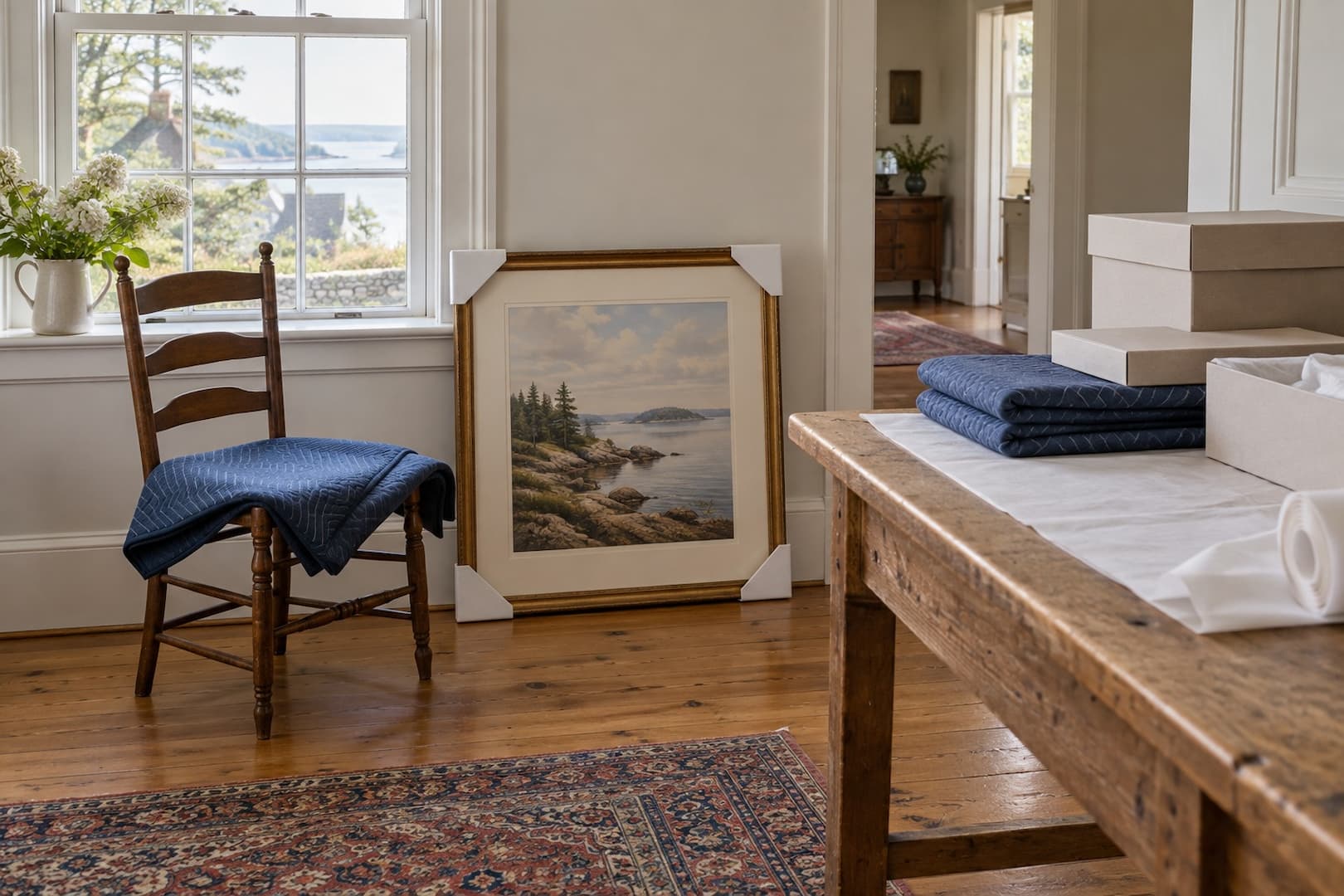
Keep clean and affected possessions separate. Discuss furniture, rugs, artwork and electronics individually; some items may need a specialist. If contents leave the property, an inventory should explain what moved and where it went.
BRG’s fire and smoke restoration addresses building surfaces and the cleanup scope. Odor treatment belongs after locating and addressing the sources that can continue to release odor.
Mold and sewage can change a preservation plan
Dampness behind a valuable finish
A recurring musty smell or visible growth calls for a moisture investigation. Keeping decorative woodwork cannot take priority over leaving affected material concealed. Mold remediation may require isolation and selective removal so the area can be cleaned and the moisture source corrected.
A backup in an occupied space
Sewage needs controlled cleanup and appropriate material decisions. Keep people and pets away, stop using fixtures that feed the backup, and arrange correction of the plumbing cause. Do not carry contaminated rugs or cartons through clean rooms. Drying equipment alone does not make affected belongings suitable to keep.

Fit the repair to the property and its use
Manchester’s Historic District Commission reviews exterior changes to buildings within the district. If your repair changes an exterior feature, ask the town about the review that applies before committing to permanent replacement. Emergency protection and the final design may involve different decisions.
For a home, discuss bedrooms, bathrooms and routes that occupants need. A managed property also needs a clear access contact. In a commercial space, the scope should account for staff, customers, stock and shared systems.
Continued occupancy or business use depends on conditions. Safe separation may preserve a usable area, but smoke, contamination, exposed utilities or extensive work can rule it out.
A careful scope makes the estimate easier to understand
Access, material type, contamination and the extent of drying affect cost. Saving a finish may involve careful handling; replacement may involve matching profiles or coordinating another trade. Ask the estimate to explain those choices and identify mitigation separately from later repairs.
Keep the loss photographs, contents list and invoices together. BRG can provide records of the conditions and work for claim discussions. The insurer makes coverage and payment decisions under the policy. No contractor can infer those decisions from the appearance of a damaged room.
Before work ends, review any remaining source issue, specialist assessment or permit question. Give the next contractor the photographs, drying findings and list of unfinished work.
Planning restoration in Manchester-by-the-Sea
Can original plaster or woodwork stay after a leak?
It may be possible if the material remains sound, contamination allows it and the wet layers can be accessed and dried. Loose plaster, damaged finishes and moisture trapped behind an assembly may change the decision. Preservation should follow the condition assessment.
Does every older home need historic approval for restoration?
No. A building’s age alone does not establish the review required. Manchester’s Historic District Commission reviews exterior changes within the district. Ask the town which approvals apply to your address and proposed work, particularly before permanent exterior alterations.
Can BRG work with my existing builder or property caretaker?
Discuss that arrangement when you call. The scope should identify who controls access, who repairs the source, who receives progress information and where mitigation hands off to the builder. Clear responsibilities help prevent wet areas from being closed too early.
What if the property is unoccupied when damage is found?
Arrange a reliable access contact and provide the last known normal condition, utility status and any photos. The time of discovery may be much later than the start of the loss. The crew needs to assess the condition rather than assume a short exposure.
Start with the damage and what matters to you
Call BRG at 617-202-3772 to discuss a Manchester-by-the-Sea property. Tell us about the affected space, active water or smoke concerns, and any original finishes you want assessed before removal. We will help establish the information needed for the next step.
617-202-3772- Property address and access contact
- Source and approximate discovery time
- Original finishes or important contents
- Known utility hazards or exterior damage