

Restoration Company in Georgetown, MA
Property damage interrupts more than a room. It can close a shop, displace a tenant or leave a family without a kitchen. Boston Restoration Group helps Georgetown owners organize cleanup, drying and repairs around the affected materials and the parts of the building people still need to use.
Decide what needs to remain usable
Keep the work area separate from the space people need
A family home
Protect access to essential rooms, identify where children and pets will stay, and point out belongings that cannot go into a general storage pile. Equipment noise and drying conditions may change sleeping arrangements.
A rental or managed building
Identify the person who can authorize work and the person who can provide access. Water or smoke may cross between units, so the scope may need information from more than one occupant.
A business
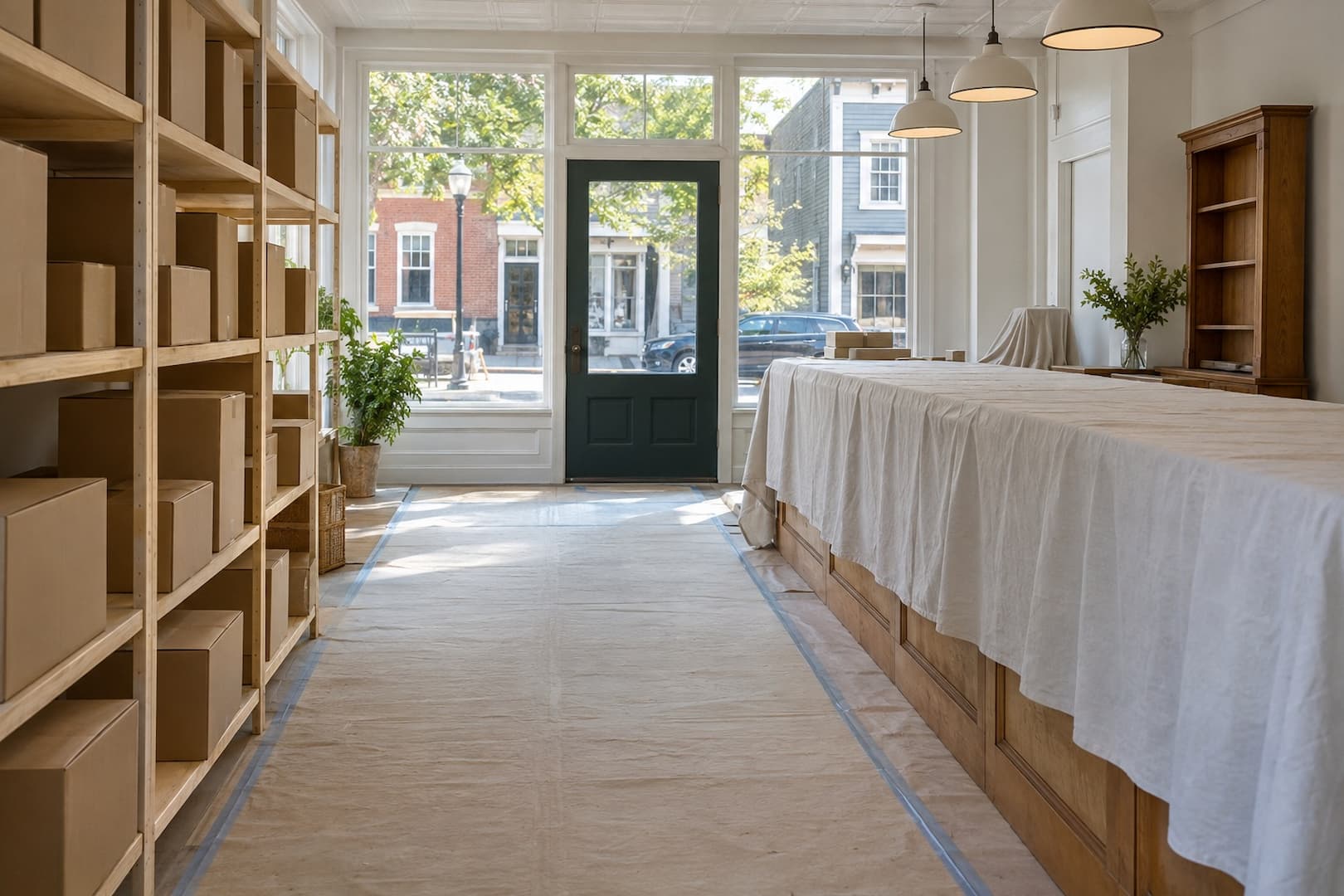
Separate the work route from employees, customers and deliveries. Name the stock, records or equipment that need priority attention, and agree who will make operating and reopening decisions.
BRG uses those details alongside the physical inspection. A room does not become suitable for occupancy just because equipment fits inside it. Utilities, contamination, exits and the actual work must support the arrangement.
When the loss is still happening
For active fire, gas odor, unstable structure or immediate danger, leave and call emergency services. Do not enter standing water near electrical equipment or walk below a sagging wet ceiling. Use a known water shutoff only if reaching it is safe.
Give the crew the facts you already know
Describe the source, the first affected room and whether water, smoke or odor reached another floor. Mention a blocked entrance, an absent owner or a shut-down utility. Photographs are helpful when available, but obtaining them should never delay a safety call.
BRG answers emergency calls 24/7. The address, current conditions and crew requirements determine dispatch; a phone conversation is the way to confirm the next step.
Make a water loss measurable
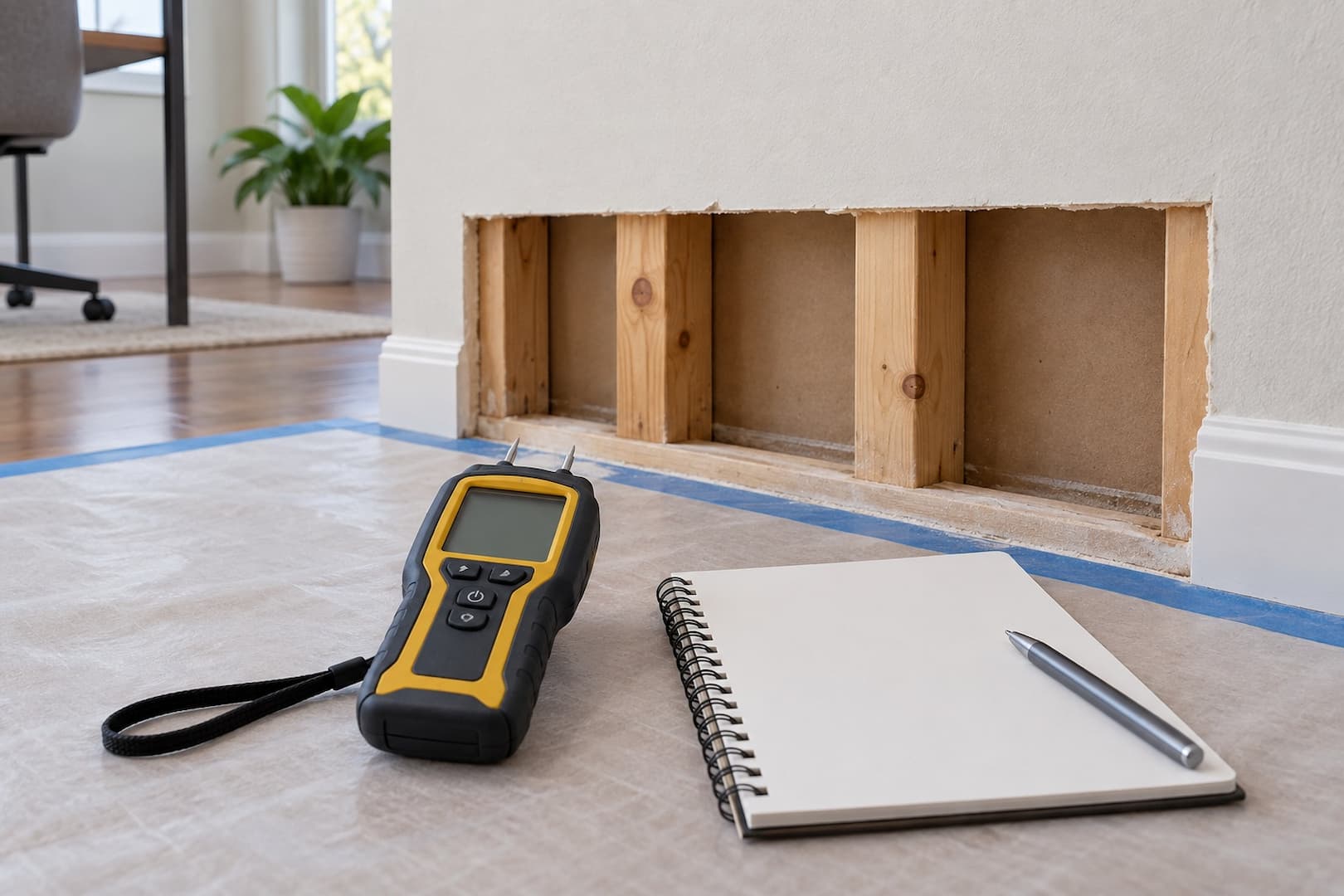
Start the water-loss record with where it came from and what it touched. The inspection extends past the puddle: under cabinet bases, along floor edges, into adjacent rooms and, where relevant, to the floor below. Moisture readings help establish the boundary and guide drying.
Accessible water comes out first. The crew then decides what can remain, what needs cleaning and which layers need access. A wet carpet pad, sealed floor assembly or insulated wall can need a different approach from exposed framing. Contamination and physical damage may rule out drying in place.
Air movers and dehumidifiers serve different jobs, and both depend on suitable access and conditions. Repeat checks show whether the retained materials are drying. Ask which areas are being monitored and what would trigger a change in the plan; those answers matter more than a fixed equipment count.
Georgetown's stormwater program addresses runoff and local drainage infrastructure. That is useful context when water arrives from outdoors, but indoor assessment still has to establish the source at your property. A drainage or exterior repair may need another professional while BRG handles the interior loss.
Three conditions that change the cleanup method
Soot after a fire
Once emergency authorities allow access, BRG assesses residue, odor, heat damage and suppression water. Test cleaning helps choose a method that will not smear soot into the finish. Connected rooms and contents may be affected even if flames stayed in one area. Electrical or structural damage requires the appropriate specialist before normal use resumes.
Mold after recurring dampness
The moisture source needs attention along with the growth. BRG plans mold remediation around containment, affected materials and cleaning or removal. A coat of paint cannot establish that the problem is resolved. Testing should answer a specific question, with completion expectations discussed before work starts.
Sewage or outdoor floodwater
Keep traffic out and stop using plumbing that contributes to a backup. Contaminated water can change the removal and disinfection scope, especially for porous finishes and contents. Sewage cleanup addresses the building; a plumber or septic professional resolves the source when that system is involved.
Keep one clear project record
Separate the building scope from the contents list
Walls and floors need measurements, material decisions and repair quantities. Stock, furniture and household belongings need identification, condition records and a handling decision. A note saying “kitchen damage” cannot explain whether the estimate covers the cabinets, the floor or the contents of a cupboard.
BRG can document what was affected and explain why items need protection, cleaning, specialist review or disposal. Point out sensitive records and electronics before handling starts. Photograph important possessions when safe and keep the inventory with the estimate and approvals.
In a shop or office, moving undamaged equipment to a clean area may protect operations. The route and destination must stay clear of contaminated materials. Food, heat-damaged electronics and other specialized items can require decisions beyond general restoration cleaning.
Weather damage can leave an unfinished source repair
A temporary roof covering or board-up may limit further entry while permanent repairs are arranged. Interior work still needs to follow water through insulation, ceilings and walls. After an ice dam, the drip may stop while the assembly remains wet.
Do not climb a damaged roof or work beneath unstable limbs. Tell the team if access is obstructed or utilities are unsafe. Agree who is arranging permanent repairs, and connect that work with temporary protection and interior drying. Otherwise, the next rainfall can affect newly cleaned or repaired rooms.
Four questions to settle before the room goes back into use
Has the source been addressed?
Record the status of plumbing, roofing, drainage or other work. Interior cleanup does not automatically close that separate task.
Are retained materials ready?
Confirm the project's moisture goals and cleaning or remediation requirements. A dry surface alone cannot establish readiness for new finishes.
What repairs and approvals remain?
Identify missing drywall, flooring, trim or other assemblies, along with any trade inspection or operating approval the property requires.
Does the cost record explain the work?
Keep the initial scope, changes, equipment records and invoices together. Costs and duration depend on actual conditions; your insurer determines coverage under the policy.
Before a Georgetown restoration project begins
Can a business stay open while restoration is underway?
Sometimes, if safe utilities, exits, clean access and effective work-zone separation allow it. A contained room does not by itself establish that the rest of the premises can operate. Owners and relevant authorities or specialists may need to resolve occupancy, food safety or other requirements.
Who approves work in a rental property?
Identify the owner or authorized manager as early as possible, while the tenant reports immediate hazards through the appropriate emergency channels. BRG needs clear access and scope authorization. Insurance responsibilities and lease obligations belong with the relevant parties, not assumptions made during cleanup.
Will a small ceiling stain require a large repair?
Not necessarily. Its size does not reliably show the amount of concealed moisture. An assessment can check the source, nearby materials and cavity conditions, then explain any selective opening or removal needed. The scope should follow evidence rather than the appearance of the stain alone.
Can you give an exact price by phone?
The call can establish the reported problem and next step. A dependable scope needs information about affected area, materials, contamination, access and concealed damage. Ask for an itemized estimate and an explanation of how newly discovered conditions will be handled.
Is a dry room ready for new flooring?
Only after the source and any contamination issues are resolved and the substrate meets the project drying and flooring requirements. Reinstallation may involve additional trade checks. Equipment removal and finish installation are different decisions.
Start with the room you cannot use
Call 617-202-3772 and tell BRG what happened at your Georgetown property. Explain who is there, whether the source is active and which areas need access first. The team will discuss safety, availability and the restoration scope your situation calls for.
617-202-3772- Address and current access contact
- Affected use: home, tenancy or business
- Water, smoke, sewage or mold conditions