
Septic Backup Cleanup in Basement in Boston, MA
Basement-focused containment, drain-source cleanup, and safe restoration steps
A basement septic backup is different from a typical main-floor incident — it often starts at the lowest point of the home and spreads fast along concrete seams, floor drains, and storage areas. Whether sewage came up through a basement floor drain, a shower drain, or a basement toilet, the priority is to isolate the source area, remove contamination safely, and prevent cross-contamination up the stairs. Boston Restoration Group provides emergency basement cleanup with a practical plan: controlled removal, deep sanitation, odor-source treatment, and moisture management so the space can be stabilized and returned to safe use.
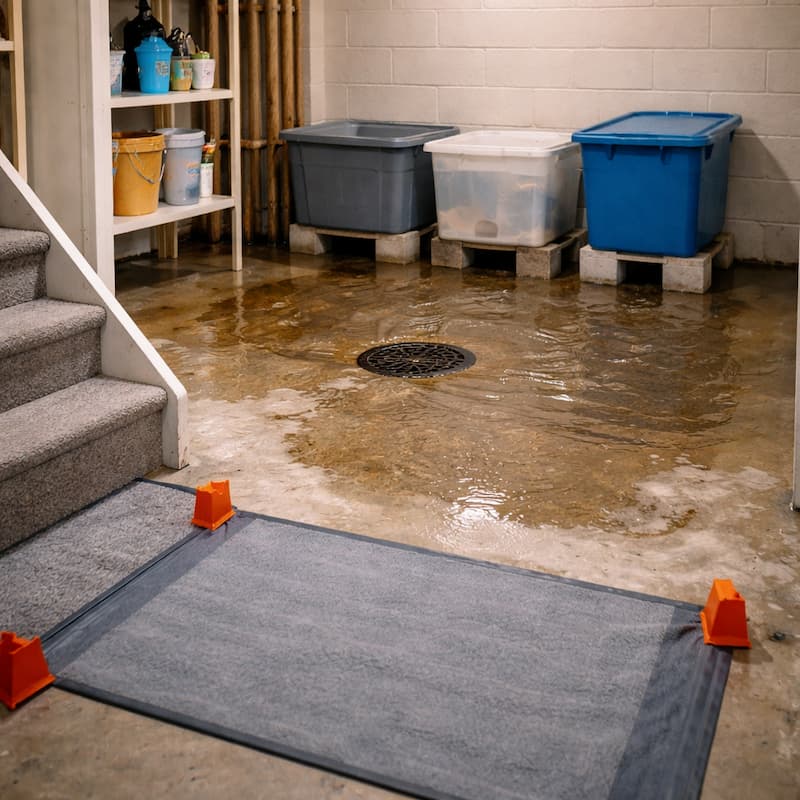

Basement Drain & Floor-Drain Expertise
Basement events are frequently tied to a floor drain or low-point plumbing. We focus on the drain-origin zone first, then map the spread pattern across walls, corners, stored items, and porous materials to avoid “clean-looking” surfaces that still hold contamination.Safe Containment for Stairs and Shared Air
Basements connect directly to the rest of the home through stairwells and HVAC pathways. We set up controlled work zones and clean pathways to reduce the chance of tracking contaminants upstairs and to limit odors and airborne particles during cleanup.Odor-Source Removal That Actually Lasts
If your basement drain smells like sewage, the smell can cling to porous materials, dust, and residues in seams and cracks. We treat the sources — not just the air — so the odor doesn’t keep returning after the basement “looks dry.”Moisture Control on Concrete, Framing, and Contents
Basements hold moisture differently than upper levels. We evaluate wet framing, drywall edges, insulation, stored contents, and hidden cavities, then use proper drying and monitoring so you don’t end up with secondary issues after the sanitation work is done.Navigating Basement Septic Backup Cleanup
A clear plan for floor drains, low points, and fast spread
When sewage enters a basement, it typically follows the easiest paths: floor drain openings, wall-to-slab seams, and low corners behind stored items. That’s why basement cleanup starts with controlling the spread zone and addressing the drain-source area first. Done correctly, the work reduces health risk, limits odor migration upstairs, and prevents contamination from being tracked through the home.
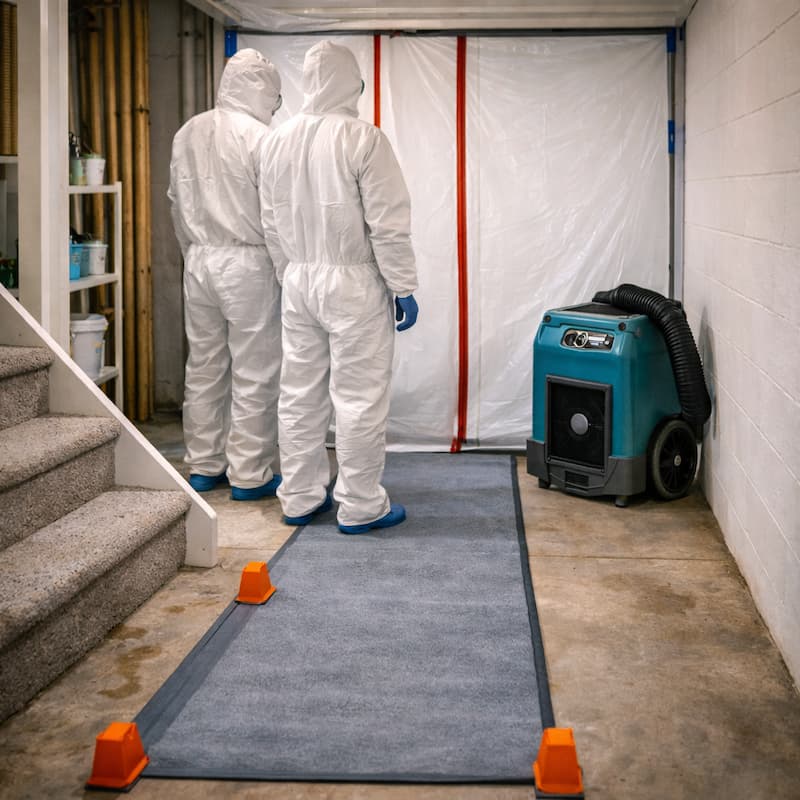
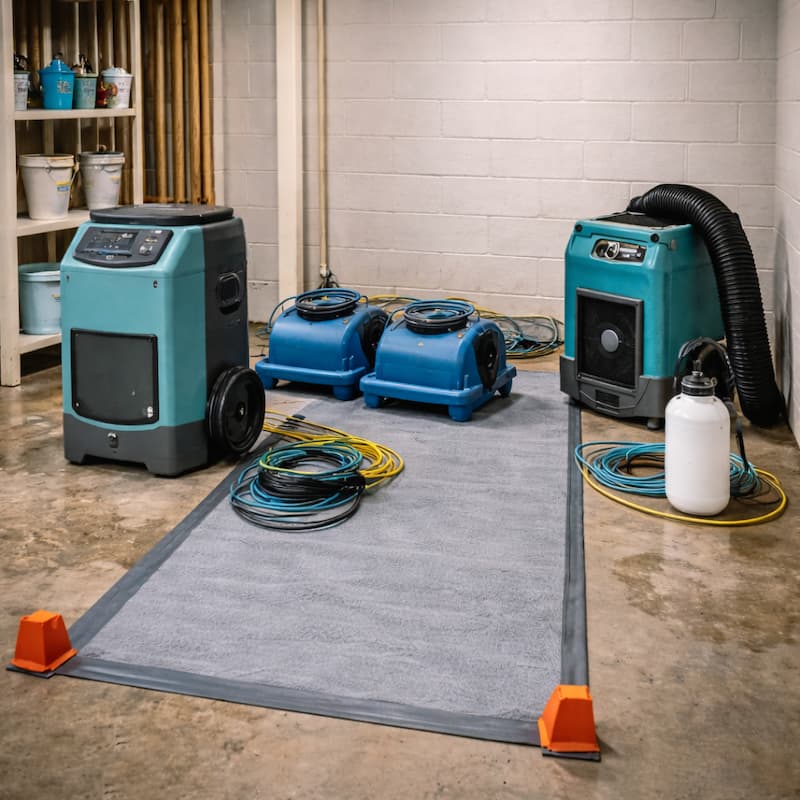
Efficient Basement Septic Backup Remediation for Residential Properties
Steps that protect materials, indoor air, and what’s stored downstairs
Basement incidents often involve more than visible water. Contaminants can settle into cracks, contact cardboard boxes and fabrics, and soak the bottom edges of drywall or insulation. Our process prioritizes controlled removal where necessary, thorough cleaning and disinfection, targeted odor-source treatment, and moisture control tailored to basements — including careful handling of stored contents and attention to stairwell pathways and shared air.
Expert Basement Septic Backup Cleanup Services by Boston Restoration Group
Basement septic backups can be stressful because they feel “contained” — until odors rise upstairs, storage items are affected, or the problem repeats from the same drain. We treat basement incidents with a restoration mindset: contain, remove, sanitize, dry, and verify — with clear guidance on what to do next.
Why Trust Us for Basement Septic Backup Cleanup?
- Basement-first strategy: We focus on floor drains, low points, and how contamination spreads along concrete and corners.
- Controlled work zones: Clean pathways and isolation reduce cross-contamination to upstairs living areas.
- Thorough sanitation: Disinfection and residue removal are handled as contaminated loss, not normal water damage.
- Odor and air considerations: We treat odor sources and help prevent smell migration through stairwells and shared air.
- Moisture-aware drying: Basements require careful drying and monitoring to avoid secondary problems later.
What To Do When Sewage Backs Up in Your Basement
If sewage comes up through a basement floor drain or a basement shower/toilet backs up, avoid contact and keep people and pets out of the area. Do not run fans that blow air from the basement to the rest of the house. If you can do so safely, stop using water in the home until a professional can assess the situation and the likely source.
Is It Safe to Stay in the House After a Basement Septic Backup?
It depends on the severity, how far contamination traveled, and whether odors or aerosols are moving into living spaces. In many cases, people can stay if the affected area is isolated and the home has a safe pathway that avoids the basement. We’ll help you make a practical call based on conditions, not guesswork.